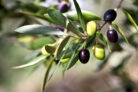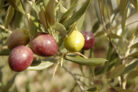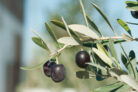
Bringing a slice of the Mediterranean into your own backyard is a dream for many of us. If you live in a region with a mild climate—think wine country where hard frosts are rare—you can actually plant olive trees directly in the ground. But don’t worry if you don’t live in a tropical paradise! Olive trees do surprisingly well in pots and can still provide a pretty decent harvest for the home gardener.
Olives Need a Little Prep Work First
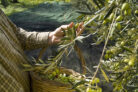
Once you harvest your olives, you can’t just pop them in your mouth. Even if you plan on eating them right away rather than preserving them for the long haul, they need some processing. Fresh off the tree, olives are packed with bitter compounds that make them pretty much inedible. That’s why curing them is a must.
How to Process Your Harvest
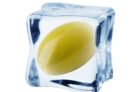
To get rid of that bitterness, you’ll need to soak your olives in either plain water or a brine solution. If you go the brine route, you’ll need to follow it up with a multi-day freshwater bath to leach out the excess salt. After that, they’re ready for the next step. One quick pro-tip: avoid the temptation to freeze your olives. When they thaw out, they lose their moisture and that signature “snap,” turning tough and unappetizing.
Preserving in Oil
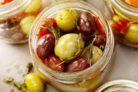
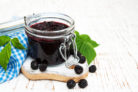
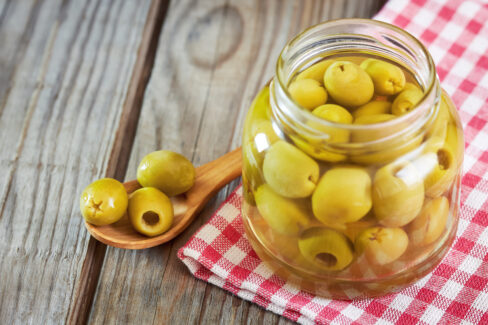
A much better way to keep your harvest fresh is to preserve them in oil. Olive oil or sunflower oil both work great for this. The key is to use airtight jars (like Mason or Weck jars) and store them in a cool, dark place. If they get too much light or air, the oil can oxidize and go rancid, which eventually leads to moldy olives.
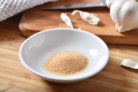
To give your olives a signature gourmet touch, try adding garlic, chili peppers, or peppercorns to the jar. You can also get creative with dried herbs to level up the flavor profile. Some of my favorites include:
- Thyme
- Oregano
- Rosemary
- Bay leaves