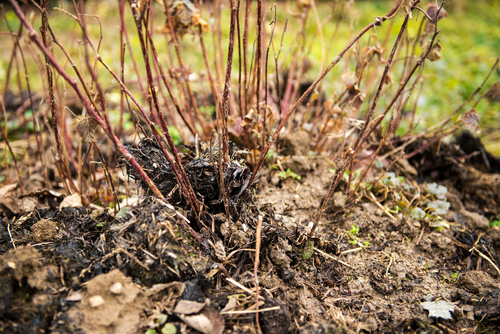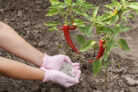
If you’ve ever gone foraging, you know that wild blackberries thrive in the forest because the forest floor is basically a giant, natural nutrient buffet. But back in our home gardens, our blackberries need a little extra help from us to really take off. To get those big, juicy harvests, regular fertilizing is key. Luckily, you’ve got a few great options to choose from!
Getting the Soil Just Right
Before we talk food, let’s talk home base. Along with finding the perfect sunny spot, your soil quality is a huge deal. Blackberries love soil that is loose, rich in organic matter, and slightly acidic—aiming for a pH level of around 5.5 to 6.5 is the sweet spot.
Choosing Your Fertilizer
When it comes to feeding your berries, you aren’t stuck with just one choice. Depending on your gardening style, you can go with:
- Liquid berry fertilizer
- Granular mineral fertilizers (like 10-10-10 or “Blaukorn”)
- Organic options
Specialized Berry Fertilizer
You can find liquid fertilizers specifically formulated for berries at any garden center. These are a lifesaver if you’re growing blackberries in pots on your balcony or patio. You usually just mix it right into your watering can. Just a heads-up: always follow the dosage on the label! It’s easy to overdo it, and you don’t want to burn those roots.
Granular Mineral Fertilizer
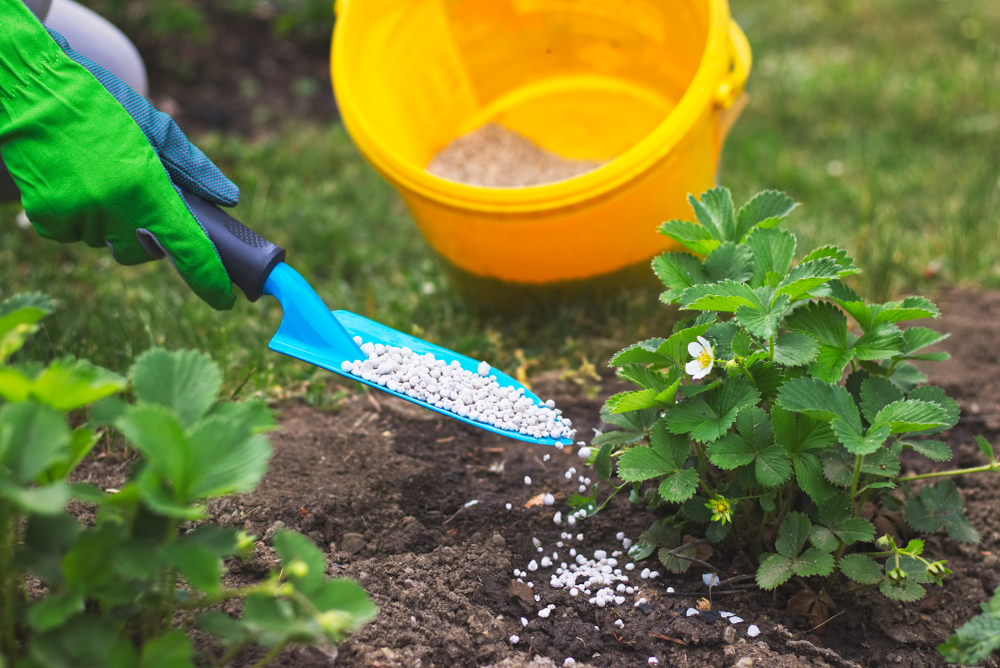
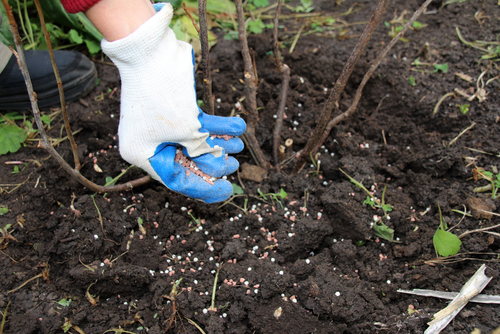
Granular fertilizers (like the popular “Blaukorn” in Europe or a balanced all-purpose mix in the US) are a favorite for many gardeners. You simply scatter the granules around the base of the plant in early spring. Make sure to give the area a good soak afterward—or time it right before a rainstorm—so the nutrients can start soaking into the soil. These granules release nutrients over several weeks, but again, be careful not to use too much!
Organic Fertilizers
If you prefer to keep things natural, organic is the way to go. Some of the best “superfoods” for blackberries include:
- Finished compost
- Grass clippings
- Aged manure (horse, cow, or chicken)
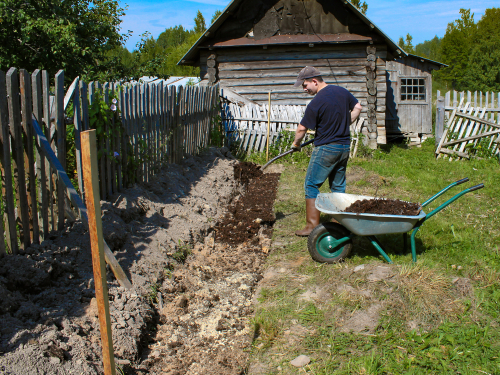
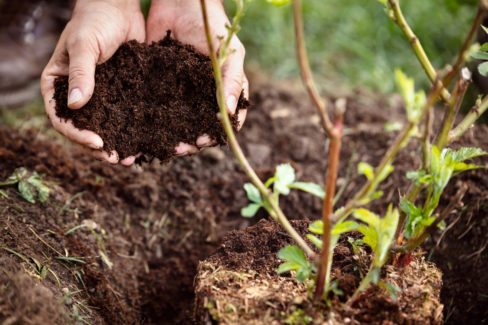
Just spread your organic matter around the plants and lightly work it into the top layer of soil. One pro tip: if you’re using manure, make sure it’s been aged or composted for a few months first. Fresh manure is way too high in nitrogen and can actually damage your plants.
Start Strong at Planting Time
The best time to start your nutrient program is the very first day. When you’re planting your blackberries, mix some compost or horn meal into the soil you dug out of the hole. This also applies when repotting—a little extra boost right at the start helps those roots settle in and get established much faster.