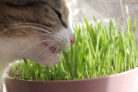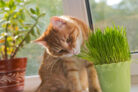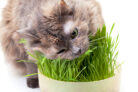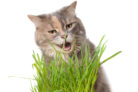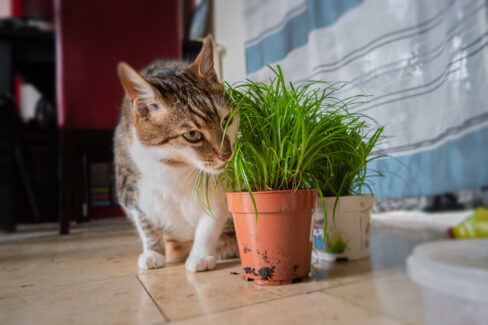
If you’re a cat owner, you’ve definitely seen it: your feline friend munching away on some grass. It might look a little strange, but cats actually do this to trigger a gag reflex, which helps them cough up those pesky swallowed hairballs. It’s a totally natural and essential part of their health routine! But is all grass safe for your kitty? Not necessarily. Here’s what you need to know to keep your pet safe and happy.
What exactly does cat grass do?
Cats are meticulous groomers, and in the process of licking themselves, they swallow a lot of loose fur. To prevent digestive issues or blockages, they need to get that fur back out. Nibbling on grass blades is the perfect solution because it triggers that necessary “hurling” reflex. Beyond just being a digestive aid, cat grass also provides your cat with folic acid, a vital nutrient. However, there are a few risks to keep in mind.
Potential hazards include:
- Woody, overgrown stems with sharp edges that can cause small cuts.
- Grass treated with pesticides or chemicals.
- Mold growth on the grass or in the soil, which can be toxic.
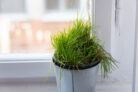
The good news? If you water, prune, and care for your cat grass properly, you can easily avoid these risks. You don’t even need a huge field of it—a small pot is usually plenty to keep your cat satisfied. Plus, it adds a nice pop of greenery to your home decor!
How to keep things safe
To make sure the blades don’t develop sharp, woody edges, you want to keep the grass young and tender. Keep an eye on how much your cat is eating; if they aren’t keeping up with the growth, go ahead and trim the cat grass back with scissors. This keeps the texture soft and safe. Also, never spray pesticides on the grass, and try not to smoke near the plant. Grass is great at absorbing nicotine and other pollutants, which your cat will then ingest.
When it comes to watering, find that “Goldilocks” zone—keep it hydrated, but don’t overdo it. Standing water leads to mold, and if you spot even a little bit of mold on your cat grass, it’s time to toss it out and start fresh. Finally, make sure you’re growing the right species, as some ornamental grasses can actually be toxic to pets.
Safe varieties to grow include:
- Cyperaceae (Sedges) and Poaceae (True grasses)
- Umbrella palm (Cyperus)
- Barley, wheat, or oats
- Dwarf bamboo