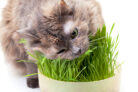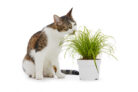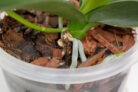
When you pick up cat grass at the store, it usually comes in a small plastic pot with some soil. You might want to move it into a prettier planter you have at home, or maybe you’re feeling adventurous and want to grow your own from scratch. Either way, you’re probably wondering: “Can I just use regular potting soil for this?”
Why you should skip the standard potting soil
Most store-bought potting soils are packed with extra nutrients and fertilizers. While that’s great for making your flowers bloom like crazy, it’s not ideal for cat grass. When your cat munches on the grass, they end up ingesting those concentrated nutrients. Even if the fertilizer isn’t technically toxic, it can lead to a nutrient “overload” for your furry friend, which isn’t great for their system.
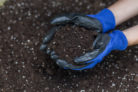
Your best bet? Just grab some plain old dirt from your backyard. That way, you know exactly what’s in it and don’t have to worry about any hidden additives. If you’re planning on repotting your cat grass or starting a new batch, just scoop up a bit of garden soil—it’s free and safer! Just make sure the soil meets a few basic needs.
Here is what you’re looking for in good cat grass soil:
- No added fertilizers or “slow-release” nutrients
- Loose, well-draining texture
- Moist, but not soggy (nobody likes root rot!)
How fast does cat grass actually grow?
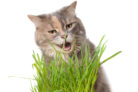
There are quite a few different types of grasses and grains that work as cat grass. The cool thing is that they all grow pretty much year-round and they grow *fast*. Even if you only have a small patch for your cat—which is usually plenty—it’s really low-maintenance. Generally, if you start a new batch of seeds every two to three weeks, you’ll have a fresh supply ready to go just as the old stuff starts to fade.
One thing to keep an eye on: don’t let the blades get too long or woody. When the grass gets old, it can develop sharp edges that might actually cause little cuts, which can be dangerous for your cat. To keep things safe, many pet parents trim the grass regularly. Also, keep a lookout for mold on the soil or grass. If you see any fuzzy white stuff, it’s better to toss it and start fresh for your kitty’s sake!