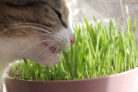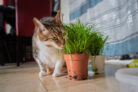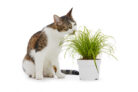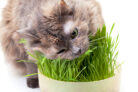
Providing your feline friends with fresh cat grass is a game-changer for their health. But did you know you aren’t stuck with just one type? There are actually several great alternatives to the standard store-bought kits. Let’s dive into why your cat needs these greens and how you can grow them like a pro.
Why Your Cat is Craving Those Greens
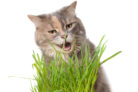
Ever wonder why your cat munches on grass? It’s not because they’re trying to go vegan! Cats eat grass to trigger a natural gag reflex. This helps them cough up those pesky hairballs that accumulate from grooming before they cause digestive issues. Plus, fresh grass is packed with folic acid, which gives their overall health a nice little boost.
However, you want to make sure you plant the right kind. Some ornamental grasses are indigestible or even toxic to pets. Stick to young, tender shoots; older blades can get tough and develop sharp edges that might hurt your cat’s throat. And a quick tip: if you see mold on your cat grass, toss it immediately—it’s not worth the risk to your kitty’s tummy.
Great Alternatives to Traditional Cat Grass
Cyperus (Umbrella Papyrus) is a huge favorite in the cat world, but you can also branch out into various sweet grasses or sedges. If you’re looking for something that grows lightning-fast, common cereal grains are the way to go. Many cat parents also swear by indoor bamboo.
Popular Cat Grass Alternatives:
- Indoor Bamboo (Pogonatherum paniceum)
- Barley
- Turtle Vine (Callisia repens)
To keep the blades tender and tasty, make sure they don’t grow too tall. Regular trimming is usually a great idea. Just a heads-up: be careful with the indoor bamboo. It doesn’t handle a “buzz cut” very well and can take a long time to bounce back if you prune it too aggressively.
Tips for Keeping Your Plants Happy
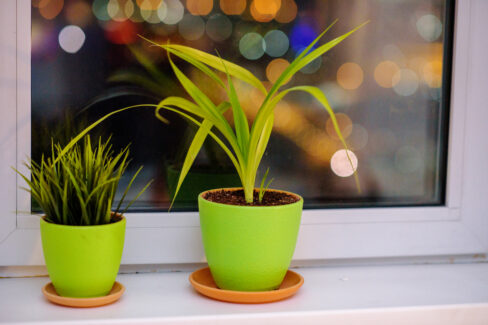
Most of these plants love a bright spot. Sunlight is key for their metabolism, but try to avoid placing them in a spot with scorching, direct midday sun all day long. This can dry out the soil too quickly, and most cat grasses really hate having “dry feet.”
You’ll need to water regularly, but keep an eye out for standing water. Soggy soil leads to root rot, which is a quick way to kill your plant. You can grow your greens in a high-quality potting soil or even use expanded clay pebbles (hydroponics) to help manage moisture levels. Using clay pebbles is a great “set it and forget it” trick for consistent hydration.
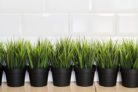
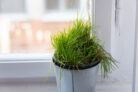
Since cats usually only need a little bit at a time, a small pot or clump is plenty to get started. But honestly? If you love the look of lush, vibrant greenery, there’s nothing stopping you from growing a whole “green carpet” for your home. It’s healthy for the cat and looks fantastic on a windowsill!