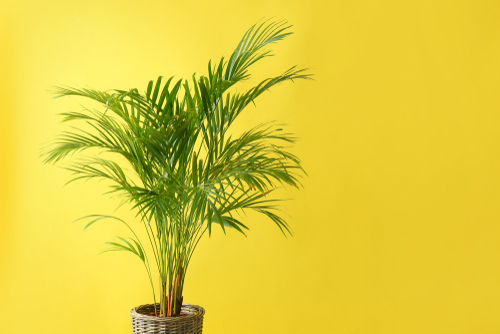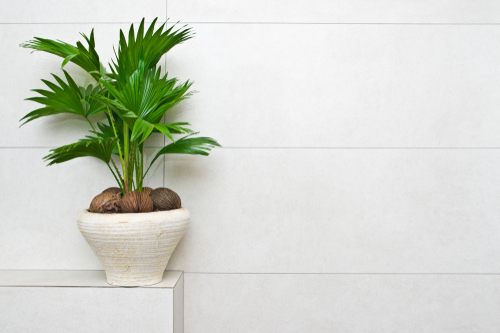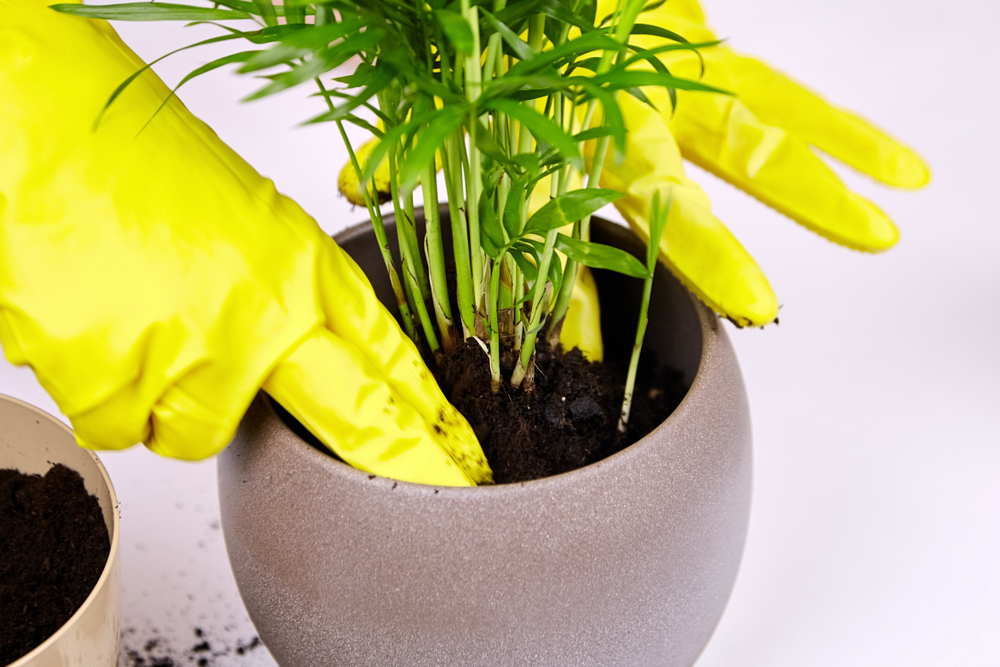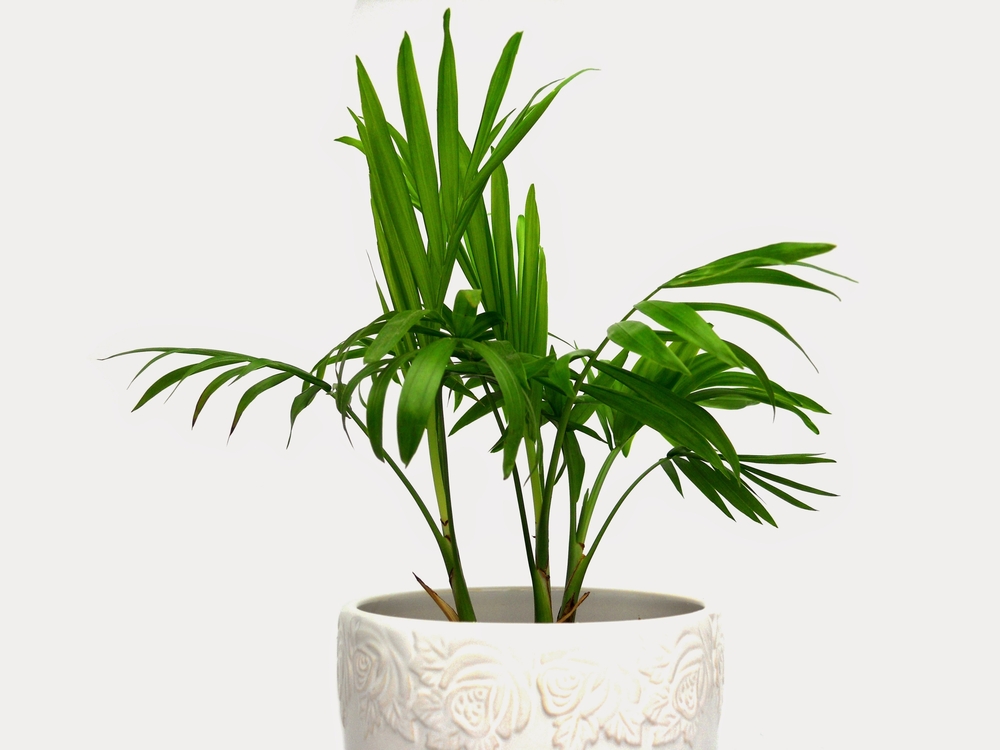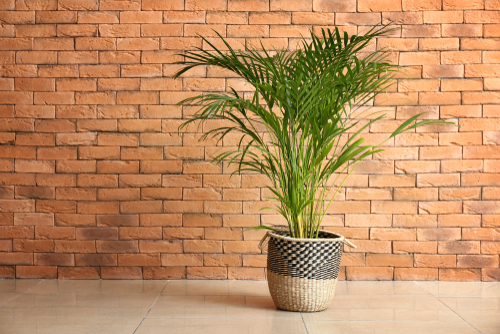
Parlor palms don’t contain any toxic substances and are generally considered non-toxic. However, you’ll often see advice suggesting you keep them away from cats—or at least take some precautions if you have a feline roommate. Here’s the lowdown on what pet owners need to keep in mind.
Potential Risks of the Parlor Palm
So far, researchers haven’t found any poisonous compounds in the parlor palm. Scientists have taken a close look at everything from the leaves to the trunk and flowers. That said, parts of the plant do contain saponins. While not “poisonous” in the traditional sense, eating them can cause some physical discomfort for babies or small pets. So, while the plant is technically non-toxic, there’s still a bit of a risk for cats. Why is that?
Here is what’s inside a parlor palm:
- Saponins
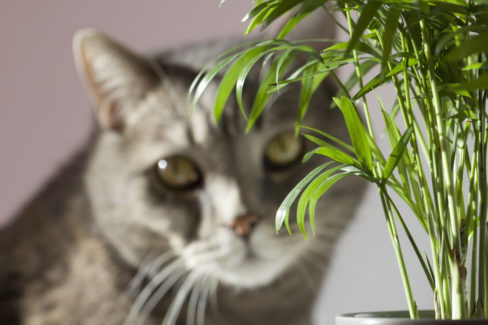
Most cats are immediately fascinated by the look of a healthy parlor palm. They love to chew on the leaves and the stem, much like they would with cat grass. The problem is that your cat might swallow large pieces, which can be tough on their digestion. Plus, those saponins I mentioned can definitely cause an upset stomach. Even if the parlor palm isn’t strictly poisonous, you probably don’t want to risk your fur baby feeling under the weather.
What to Keep an Eye On
Some indoor cats couldn’t care less about a parlor palm. If you’re a cat owner, it really comes down to your pet’s personality. If your cat generally ignores your houseplants, adding a parlor palm to your collection is likely fine. Just make sure the pot is nice and sturdy so it won’t tip over if your cat decides to give it a nudge.
If you’re unsure whether your cat will try to turn the plant into a snack, it’s better to play it safe and skip the parlor palm. Stick with cat grass instead! It’s designed for nibbling, and there’s no risk of them swallowing large chunks that could lead to breathing issues or digestive trouble. Cat grass and other cat-friendly alternatives are usually the better way to go for a green home when you have a resident kitty.