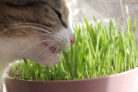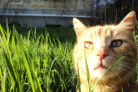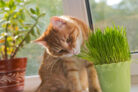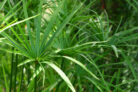
Cats are natural explorers, and let’s be honest—nothing in your house is off-limits to them, especially your houseplants. If a plant catches their eye, they’re going to bat at it, play with it, and almost certainly take a little nibble. With its lush, fountain-like growth, Umbrella Grass (Cyperus) is a total cat magnet. But before you let your feline friend go to town on it, you’re probably wondering: is it actually safe?
Cats are Obsessed with Umbrella Grass
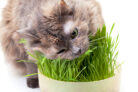
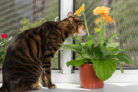
If you’ve ever owned this type of sedge, you know cats find it absolutely irresistible. It’s not just something they admire from across the room, either. Cats are world-class climbers, and they’ll find a way to reach the perfect spot where you’ve placed your plant, no matter how high the shelf is. They love to swat at the long stems and, more often than not, treat the leaves like a snack.
Is it Poisonous?
As a cat parent, your first thought is usually: “What’s in this plant, and is it going to hurt my baby?” Well, here’s the good news: Umbrella Grass is not toxic. It doesn’t contain any poisonous compounds that will make your cat sick or cause those scary symptoms we all worry about.
The Hidden Danger: Why “Non-Toxic” Doesn’t Mean “Safe”
While the plant won’t poison your cat, that doesn’t mean it’s harmless. Sure, a cat might knock over the pot or make a mess of the leaves—which is annoying—but there’s a much more serious risk involved. Believe it or not, this non-toxic plant can actually be life-threatening for a curious kitty.
Here’s why:
- The leaves of many Cyperus species have very sharp, serrated edges.
- These edges can easily slice a cat’s mouth or throat.
- If swallowed, they can cause severe internal cuts and bleeding.
- In the worst-case scenarios, these injuries can unfortunately be fatal.
Keeping Your Furry Friend Safe
If you want to play it safe, the best move is to keep the two apart. Since you can’t keep an eye on your cat 24/7, the safest option is usually to remove the plant from the main living area. If you really love it as an indoor plant, make sure it’s kept in a room that is strictly off-limits to your cat.
The same goes for the colder months. If you’re bringing a non-hardy variety inside to overwinter, ensure its winter home is completely cat-proof.
Pro Tip:
If your cat is craving some greens, look for specially labeled “Cat Grass” at the pet store. It gives them that same satisfying crunch they’re looking for but is soft and completely safe for them to munch on!