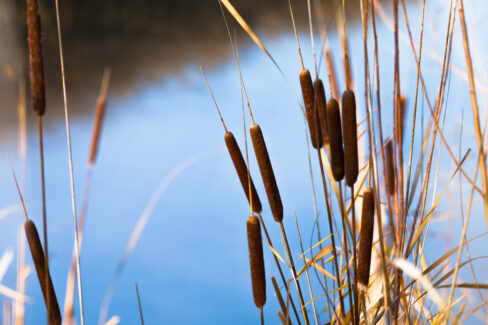
There’s a common myth out there that cattails (also known as bulrushes or “lamp cleaners”) are strictly protected by law. While it’s true that nature deserves our respect, you might be surprised to learn that you can actually harvest a few wild cattails for your home decor! However, there are a few “ground rules” you should know before you head out with your garden shears.
Are Cattails Actually Protected?
The idea that cattails are universally off-limits is a bit of a misunderstanding. Generally speaking, cattails aren’t on any special endangered species list. This is especially true for the varieties you’ll see most often across the country, like:
- The Broadleaf Cattail
- The Narrowleaf Cattail
When You Should Leave Them Alone
Even though they aren’t globally protected, there are definitely situations where you need to be careful. You should hold off on picking them if:
- There are specific regional restrictions in your area.
- You are in a designated conservation area or nature preserve.
Regional Rules
Some specific subspecies of cattails might be under extra protection depending on where you live. This usually happens if a certain variety is rare in that specific region.
Protected Habitats and Wildlife Zones
Since cattails love “wet feet,” you’ll mostly find them along lakeshores and in wetlands. If these spots are inside a state park, a nature reserve, or a bird sanctuary, the plants are likely protected. During nesting season, cattails are prime real estate for various birds to build their homes, so it’s best to let them be during the spring and summer.
Cutting Cattails for Decor
Because cattails are incredibly hardy and spread like wildfire, taking a few stems for a vase at home usually won’t hurt the local population. If you have them growing in your own backyard, you’re free to do whatever you like with them! However, if you’re eyeing some on someone else’s property, always make sure to ask the landowner for permission first.
Clearing Cattails for the Good of the Garden
Sometimes, removing cattails is actually the best thing you can do for your local ecosystem. Because they spread through both seeds and underground runners (rhizomes), they can quickly become a nuisance in a backyard setting. If you have cattails in your garden pond that are starting to take over, it’s time to thin them out.
If they get so thick that they’re crowding out other plants, causing your pond to fill with silt, or shading out the shoreline too much, you’ll want to reduce the population or remove them entirely. To get the job done right, make sure you dig up all those underground rhizomes. If you still love the look but just want them in a better spot, you can always transplant them somewhere else!