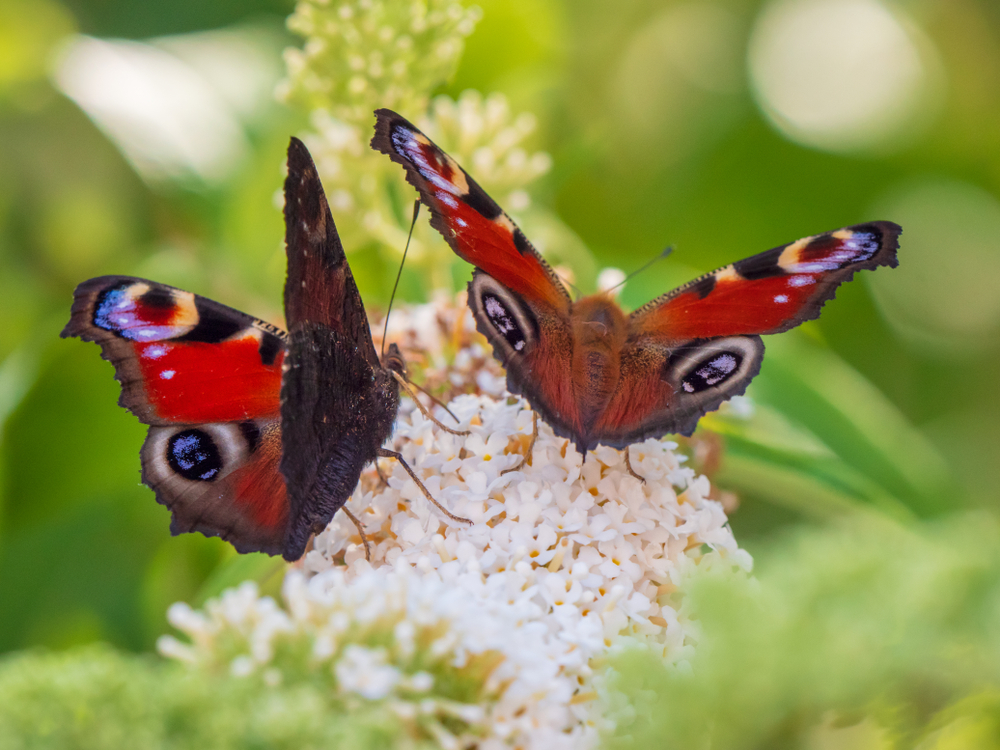
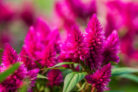
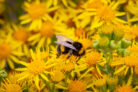
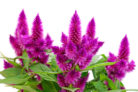
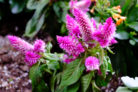
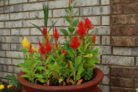
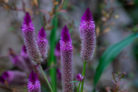
Celosia, often called Cockscomb or Woolflower, is a total showstopper in the garden thanks to its neon-bright colors and incredibly long blooming season. It’s no wonder they’re a go-to for both backyard flower beds and indoor decor. But if you’re gardening with pollinators in mind, you might be wondering: do bees actually like them?
Is Celosia Bee-Friendly?
The short answer is: somewhat! These exotic beauties do produce nectar, which definitely catches the eye of bees and other pollinators. However, compared to native wildflowers, Celosia doesn’t offer quite the same “superfood” nutritional value for our local insects. Think of it as a tasty snack rather than a full-course meal.
Which Celosia Varieties Are Best for Bees?
If you want to add some Celosia to your garden while still looking out for the bugs, some varieties are better than others. Here are a few winners:
- Celosia argentea var. plumosa ‘Fresh Look Red’: This one is a nectar and pollen powerhouse, making it very attractive to pollinators.
- Celosia argentea var. spicata ‘Flamingo’: With flower spikes that look like flamingo feathers, these are a favorite for butterflies and bees alike.
- Celosia argentea var. cristata ‘Flamingo Feather’: These long, pink, feathery blooms are like a magnet for butterflies.
Native Alternatives to Celosia
If you’re looking to maximize your “pollinator points,” you might consider some native plants that offer a similar vibe but provide even more benefits to the local ecosystem. Here are a few great swaps:
- Goatsbeard (Aruncus dioicus): This plant makes a huge statement in the garden with its stunning, feathery white plumes.
- European Goldenrod (Solidago virgaurea): A classic choice with bright yellow flowers that serve as a vital food source for bees, bumblebees, and butterflies.
- Purple Loosestrife (Lythrum salicaria): Its bold, purple-red spikes add a fantastic pop of color to any garden bed.
Pro Tip: Watch Out for New Hybrids
If your goal is to help the bees, try to avoid the newer “F1 Hybrid” varieties. These are often bred specifically for massive, flashy flowers. To save energy for those big blooms, the plants sometimes produce much less nectar, making them way less useful for hungry insects. Stick to the more traditional varieties whenever you can!