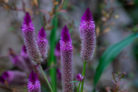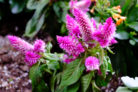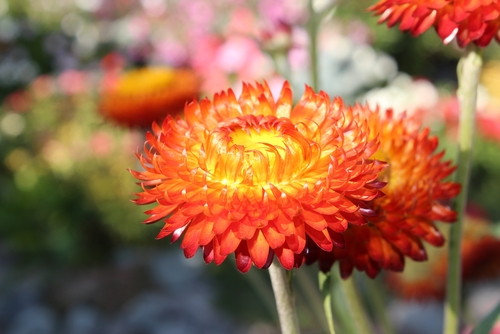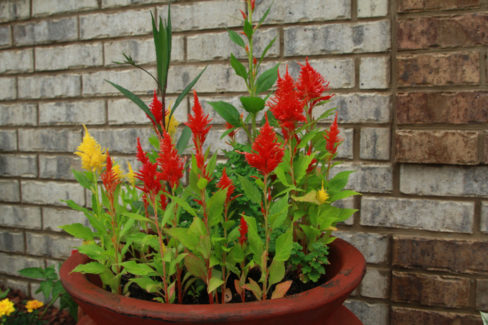
The Cockscomb, or *Celosia*, is a tropical beauty that brings a serious pop of color to our homes and balconies. Since it’s a sun-loving plant from the tropics and subtropics, it’s a bit of a “warm weather only” friend—it really can’t handle temperatures below 50°F (10°C). That means it won’t survive a winter outdoors in most US climates.
How to Grow and Overwinter Your Celosia
To keep your Celosia happy, you’ll want to find a spot that hits these marks:
- Bright light, but protected from harsh, direct midday sun
- Sheltered from the wind
- Protected from heavy rain
- A south-facing spot is usually best
- Tucked against a house wall is ideal for extra warmth
- Plenty of humidity (try placing a pebble tray with water nearby)
Celosia is the perfect candidate for patio containers or window boxes. While you *can* plant them directly in the garden, they’ll usually die off at the first sign of a chilly fall night. If you keep them in pots, however, you can easily bring them inside to overwinter!
When potting them up, standard high-quality potting soil works great. I recommend mixing in some lava rock or coarse sand to help with drainage. Water your Celosia whenever the top of the soil feels dry to the touch, and give it a boost with fertilizer every two weeks during the growing season.
Once those nighttime temps start dipping toward 50°F, it’s time to bring your tropical beauty indoors. Here’s what its winter home should look like:
- Bright light, but avoid a window with scorching direct sun
- Standard room temperatures are fine
- Cooler rooms (around 55-57°F) work too, but a heated greenhouse is the gold standard
During the winter, scale back on the watering—only give it a drink when the soil is dry. If your Celosia is in a bright room, it might even keep blooming through the winter! If it does, keep feeding it once a month and snip off any spent blooms. This prevents the plant from wasting energy on seed production.
If your winter spot is a bit too dim, don’t panic if the plant drops its leaves and stops blooming. Just clear away any dried-up bits and stop fertilizing entirely. Come March, you can start using liquid fertilizer again to wake it up. By April, slowly acclimate it to a brighter spot with normal temperatures. Once mid-May rolls around and the nights stay warm, your Celosia is ready to head back outside for another season of color!