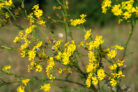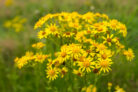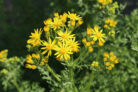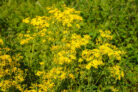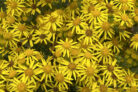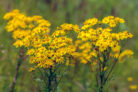
You’ll often spot Tansy Ragwort (also known as Stinking Willie) popping up in meadows and pastures. While it’s a vital food source for many insects, it’s developed a bit of a bad reputation lately. Why? Because traces of pyrrolizidine alkaloids (PAs)—natural toxins found in the plant—have been showing up in honey. This leaves many of us wondering: just how worried should we be about our food?
Tansy Ragwort isn’t exactly a bee’s first choice
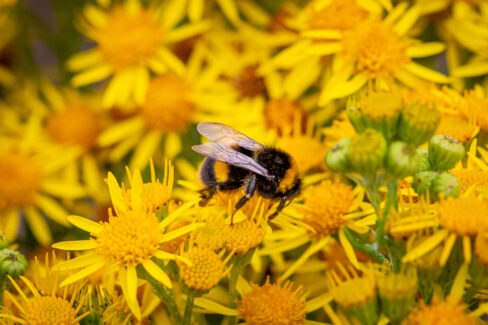
Butterflies and flies absolutely love Tansy Ragwort, and for them, it’s a five-star meal. Bees are definitely attracted to those bright yellow blooms, too, but research shows they aren’t actually huge fans. If there’s a buffet of other flowers nearby, bees will usually skip the ragwort. They really only settle for it when other nectar sources are scarce. Interestingly, the bees themselves flush the toxins out of their systems pretty quickly, but the problem is that those toxins can still end up in the honey they produce.
How much PA can we actually handle?
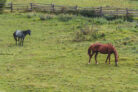
It’s not just honey; traces of these alkaloids have also been found in milk and eggs when livestock graze in infested pastures. Currently, there aren’t universal legal limits for these toxins in food, but most health experts agree that less is definitely more. PAs tend to accumulate in the liver, and over time, high levels can cause chronic damage. There’s even some concern that long-term exposure could be linked to cancer.
Because of this, the EU is currently discussing setting a standard limit—likely around 140 micrograms of PA per kilogram of food—to keep everyone safe.
What you can do as a beekeeper or a honey lover
If you’re a hobbyist beekeeper, a great tip is to harvest your honey before the Tansy Ragwort starts blooming. You can leave the later summer nectar for the bees to eat themselves, which helps ensure the honey you bottle stays PA-free.
For the rest of us who just love a good jar of honey, your best bet is to buy local. Get to know the beekeepers in your area! Don’t be afraid to ask them if Tansy Ragwort is common near their hives. Most local pros are happy to chat about where their bees forage.