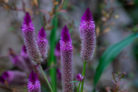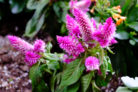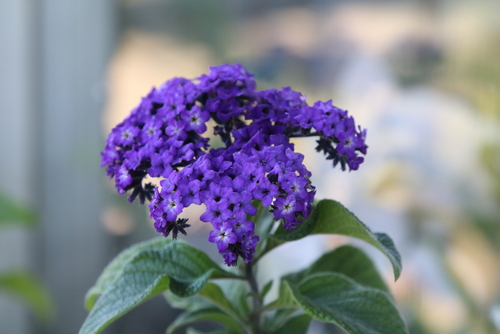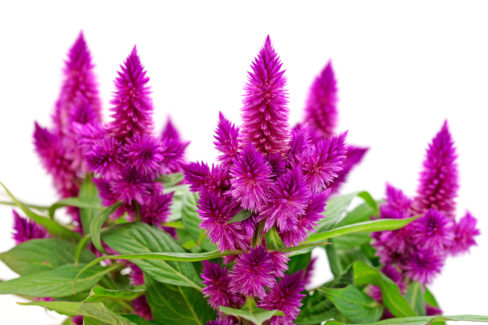
Originally hailing from tropical and subtropical regions, the Plume Celosia has become a real favorite for American balconies and patios. It’s easy to see why: those vibrant, feathery blooms are total showstoppers, and the plant is surprisingly low-maintenance. While it’s not naturally frost-hardy, you can definitely keep it going through the winter if you bring it indoors before the cold hits.
Fun Facts About Plume Celosia
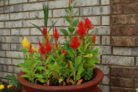
The Plume Celosia (botanical name *Celosia argentea*) belongs to the Amaranth family. It’s a bushy, upright summer annual that wows everyone from July through September with fluffy flower spikes. You’ll usually find them in stunning shades of:
- Red
- Pink
- Orange
- Yellow
In our gardens, these cultivated varieties usually grow to about 12 inches tall, though in their native tropical habitats, they can reach a towering 30 inches! The leaves are lance-shaped and a deep, rich green, which makes the flame-like flowers really pop. Each “plume” is actually made up of tons of tiny individual flowers, and once they bloom in July, they’ll stick around for about eight weeks.
Growing Your Celosia
Since these beauties can’t handle the frost, most of us grow them in containers on the porch or patio. Just a heads-up: don’t move them outside until mid-May or whenever the danger of night frost has completely passed in your area. If you give your Celosia the right spot, it’ll reward you with a literal sea of flowers.
Light, Soil, and Care
Celosia is a sun-lover! It wants a bright, warm spot that’s tucked away from harsh winds and heavy rain. You can plant it in large pots or right into your balcony window boxes. For the soil, aim for something nutrient-rich and slightly acidic. I recommend mixing in some lava granules or coconut coir to keep the soil airy. To prevent “wet feet,” always put a layer of broken terracotta shards or expanded clay pebbles at the bottom of your pot for drainage before adding the soil.
During the growing season, feed your plants every two weeks with a liquid fertilizer that’s high in potassium. Water them whenever the top of the soil feels dry to the touch, but be careful not to overwater—standing water is a one-way ticket to root rot. Also, don’t forget to pinch off wilted flowers regularly; this encourages the plant to keep pumping out new blooms!
Overwintering Your Celosia
If you want to save your Celosia for next year, bring your pots inside as soon as the outdoor temperature dips toward 50°F (10°C). They need a bright indoor spot at standard room temperature. An unheated spare room might actually be too chilly for them! During the winter, cut back on watering and only fertilize about once a month. Once mid-May rolls around, you can start hardening them off and move them back to their favorite sunny spot outside.