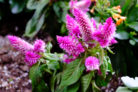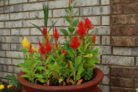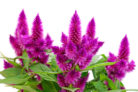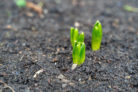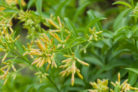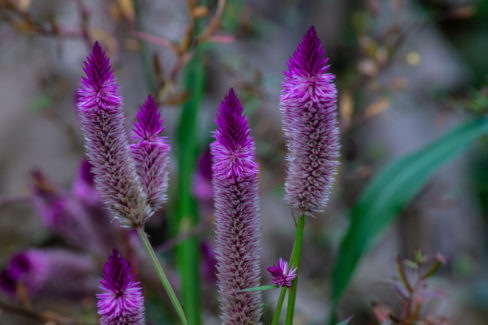
With their vibrant, feathery plumes and tropical vibes, Celosias are a total win for any garden. They’re real showstoppers on balconies and patios, too! Because these beauties are super sensitive to the cold, they’re happiest in pots or containers. Since they’re usually pretty budget-friendly at the garden center, most people treat them as annuals and toss them at the end of the season—but here’s a pro tip: you can actually overwinter them!
Growing and Overwintering Your Celosia
The *Celosia caracas* belongs to the Amaranth family, with about 45 to 60 different species out there. They originally hail from tropical regions in Africa and Asia. With those neon-bright, feathery blooms, they make fantastic houseplants, but they’re just as gorgeous as outdoor decor for your deck or terrace.
Location and Care for Your Cockscomb
Celosias are total heat-seekers and absolutely hate the cold. Even a dip below 50°F (10°C) can damage the plant. Ideally, you want to keep them in a sweet spot between 60°F and 75°F. They also crave high humidity, so don’t be shy with the misting bottle or a humidifier. As for placement, find a spot that’s protected from the wind and away from harsh, direct midday sun. Bright, indirect light or partial shade is the way to go.
When it comes to soil, aim for something loose, well-draining, and rich in organic matter (humus). You don’t really need extra fertilizer right at planting time. Celosias like to stay consistently moist, but they definitely don’t want “wet feet,” so avoid waterlogging the soil. During the blooming season, you can give them a little liquid fertilizer every now and then, but be careful—they’re sensitive to over-fertilizing.
The best part? No heavy pruning required! Just pinch off spent blooms and wilted leaves to keep it looking tidy. If you’re into crafts, you can dry individual stems; the flowers actually keep their brilliant colors even after they’ve dried out.
Overwintering
Most folks treat Celosia as a “one and done” annual, but these are actually perennials. If you’ve got a little extra space, you can save them for next year! Since they can’t handle temperature swings, it’s best to grow them in pots so you can easily bring them inside. Here’s the game plan for winter:
- As soon as the outdoor temps drop below 50°F, it’s time to bring your Celosia indoors.
- You can keep them in a warm, bright spot OR a cool, dark spot.
- Either way, cut back on watering significantly—just make sure the root ball doesn’t bone-dry.
- Since the plant is in its “nap phase” (dormancy), skip the fertilizer entirely.
- Wait until the threat of night frost is completely gone before moving them back outside.
- Give them a little “hardening off” period to get used to the fresh air and sun again.