Lots of climbing plants actually thrive in low-light conditions, turning those gloomy, sun-deprived corners of your yard into lush, green retreats. We’ve rounded up seven of the most popular climbers for shade, plus a little “insider tip” that you’re going to love.
[[pflanzen]]
++Wintercreeper (Euonymus fortunei)
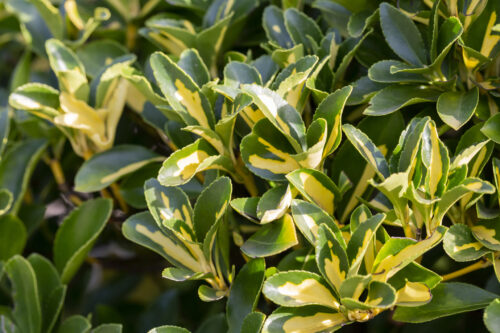
Wintercreeper is a real powerhouse. It’s incredibly hardy and does just fine in the shade. It uses aerial rootlets to cling to surfaces, allowing it to scale walls several feet high. The small, dense leaves create a thick, almost impenetrable green screen. In June and July, it produces subtle white flowers, followed by bright red-orange berries in the fall that local birds absolutely adore.
++Oriental Bittersweet (Celastrus orbiculatus)
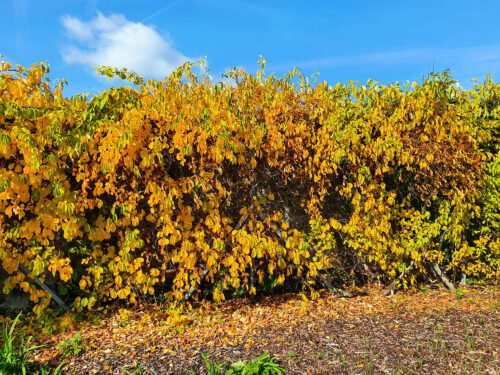
Now, Bittersweet sometimes gets a bad rap because it’s a vigorous twiner that can overwhelm weak trees. But if you give it a sturdy trellis or a solid wall to climb, it makes a stunning statement. It’s famous for its brilliant yellow-to-red fall foliage. After the pale green flowers fade, you’ll see beautiful yellow and orange seed capsules that really pop against the autumn landscape.
++Clematis (Clematis)
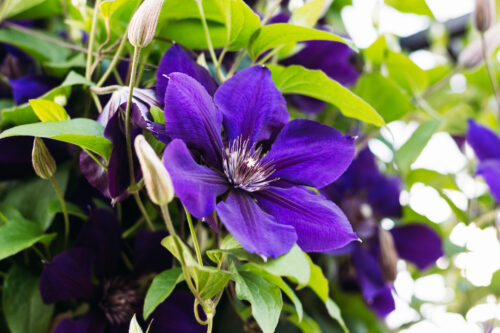
While many people think of fancy hybrids, wild Clematis species are actually fantastic for naturalistic gardens. They are much tougher than their high-maintenance cousins and can handle deep shade and freezing winters without a problem. Just a heads-up: these wild varieties spend their first couple of years focusing on growing tall, so you might have to wait until the third year to see that explosion of blooms.
++Virginia Creeper (Parthenocissus quinquefolia)
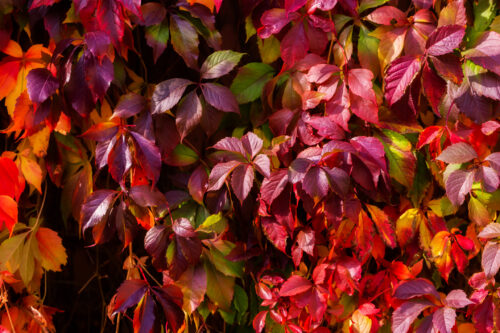
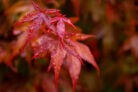
If you want a wall covered fast, Virginia Creeper is your best friend. It uses sticky adhesive pads to climb almost anything—no trellis required! It can grow up to three feet a year, and its five-fingered leaves turn a jaw-dropping shade of scarlet in the fall. While the white flowers are tiny, pollinators love the nectar. Just don’t eat the dark berries; they’re strictly for the birds!
++Honeysuckle (Lonicera caprifolium)
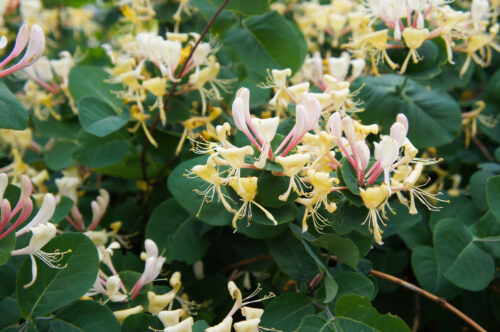
In the wild, Honeysuckle loves winding its way up trees in deciduous forests. In your garden, it’ll quickly reach heights of up to 20 feet. The best part? That heavenly scent! The fragrance is most intense on warm summer evenings, which is great for attracting cool nocturnal insects. Plus, the coral-red berries look beautiful against the dark green leaves later in the season.
++Climbing Hydrangea (Hydrangea petiolaris)
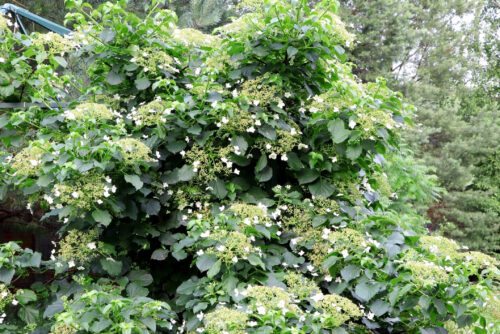
This climber can eventually reach a massive 50 feet! It’s totally winter-hardy and low-maintenance, though it does take its time getting established in the first few years. It uses aerial roots to grip walls. The massive, lacy white flower clusters are stunning against the oval leaves. Just be patient—it often takes about five years after planting before it shows off its first big bloom.
++English Ivy (Hedera helix)
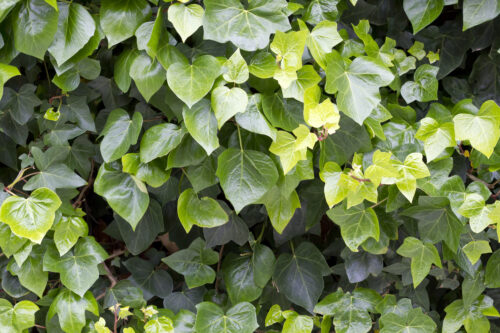
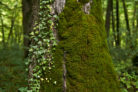
Ivy is the classic choice for shade for a reason. It can cover a wall completely, climbing up to 60 feet and living for centuries. English Ivy has those iconic heart-shaped, dark green leaves with light veins. It only starts flowering once it’s quite mature, but when it does, those nectar-rich blooms are a vital late-season food source for bees.
%%Chocolate Vine (Akebia quinata)
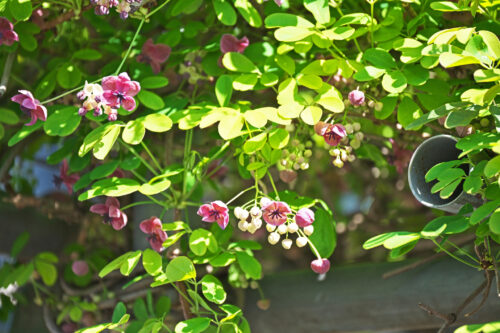
Here’s our secret tip: the Akebia. It’s still a bit of a rarity in many gardens, but it’s a showstopper on pergolas or trellises. In milder climates, it’s semi-evergreen. While it takes about five years to start flowering, the wait is worth it for the incredible, spicy fragrance. It even produces edible, cucumber-shaped fruits that have a sweet, melon-like flavor. Definitely a conversation starter!