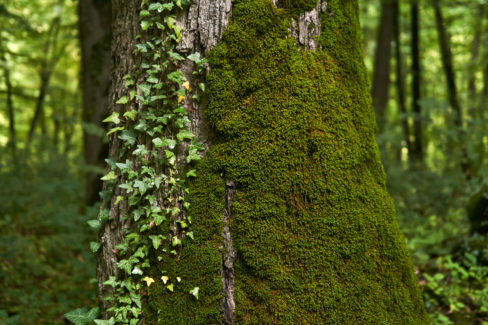
Ever wonder which plants actually *enjoy* those dark, gloomy corners of the yard where the sun barely reaches? Meet your new best friend: Ivy! Seriously. While most plants are busy chasing the light, ivy is perfectly happy tucked away in the shadows. Of course, there are a few exceptions to the rule, but for the most part, this plant is a shade-lover through and through.
Young Ivy Loves the Shade
If you’re scouting for the perfect greenery for a shady garden spot, you can always count on hardy, evergreen ivy. When the plant is young, it’s more than happy to serve as a lush groundcover. It’s also a natural climber and will eagerly scale a trellis or a north-facing wall.
Ivy doesn’t need much light to look spectacular. In fact, being in the shade protects it from harsh, direct UV rays that can dry out the soil or give your ivy those dreaded brown leaves. This love for the shade isn’t just for garden beds, either—it applies to potted ivy living on a balcony, too.
The “Grown-Up” Phase: When Ivy Starts Seeking the Sun
This “shady” relationship usually lasts for about 10 years. After that, the plant undergoes a bit of a mid-life transformation known as the adult phase. This is when it hits its first blooming period, followed by berries. You’ll notice the vines don’t grow quite as long anymore, and the plant starts growing more upright. Along with these physical changes, the ivy starts craving the sun. Ideally, it would move to a sunnier spot at this point, but transplanting established ivy can be pretty tricky.
Finding the Middle Ground: Sun vs. Shade
The best strategy is to plant your ivy in a partial-shade location. A spot that gets some morning or evening sun but stays protected from the intense midday heat is the “sweet spot” for both young and old plants. On those scorching summer days, make sure to give young plants some extra shade and water them frequently. A thick layer of mulch is also a lifesaver for keeping moisture in the ground.
Quick Tip:
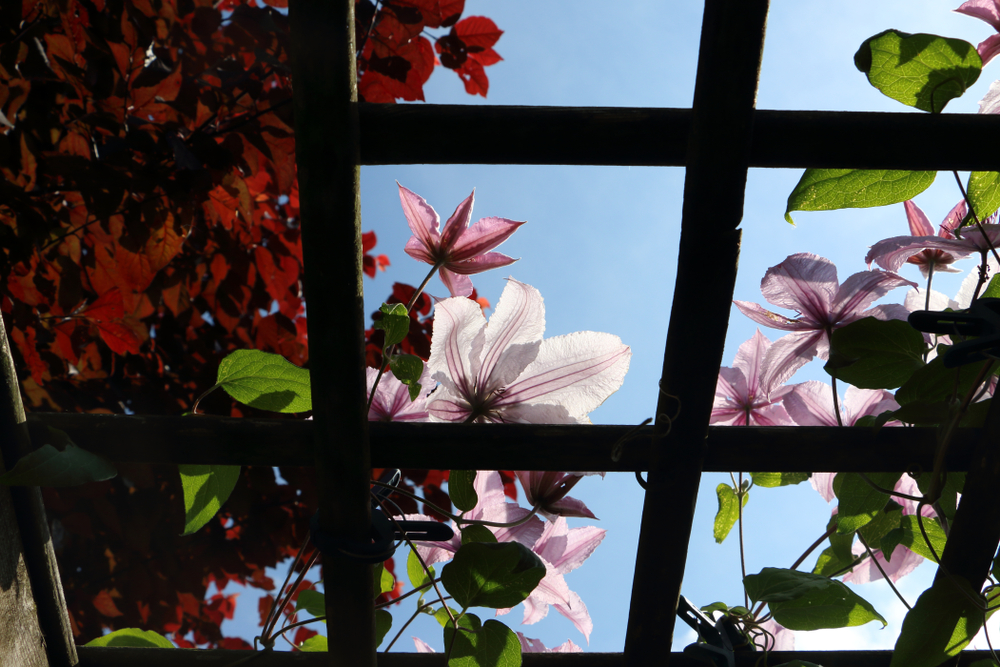
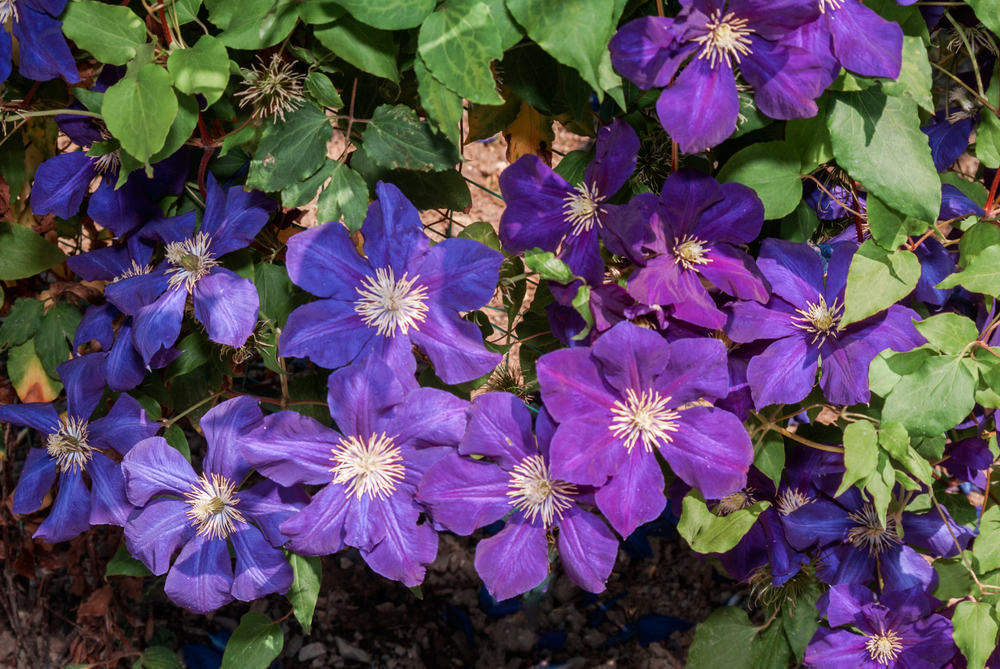
If you’re set on a full-sun location (or just don’t have another choice), try pairing it with other plants. Ivy and sun-loving roses make a gorgeous team, as do ivy and clematis.
Indoor Ivy and Variegated Varieties
Keep in mind that indoor ivy and varieties with variegated (multi-colored) leaves are a bit pickier. If you put them in total darkness, you’ll run into a few issues:
- Variegated types will lose their beautiful colors and turn solid green.
- They actually need several hours of sun every day to stay vibrant.
- Indoor ivy in the dark tends to look “leggy” or sparse.
- The stems will stretch out, leaving way too much space between the leaves.