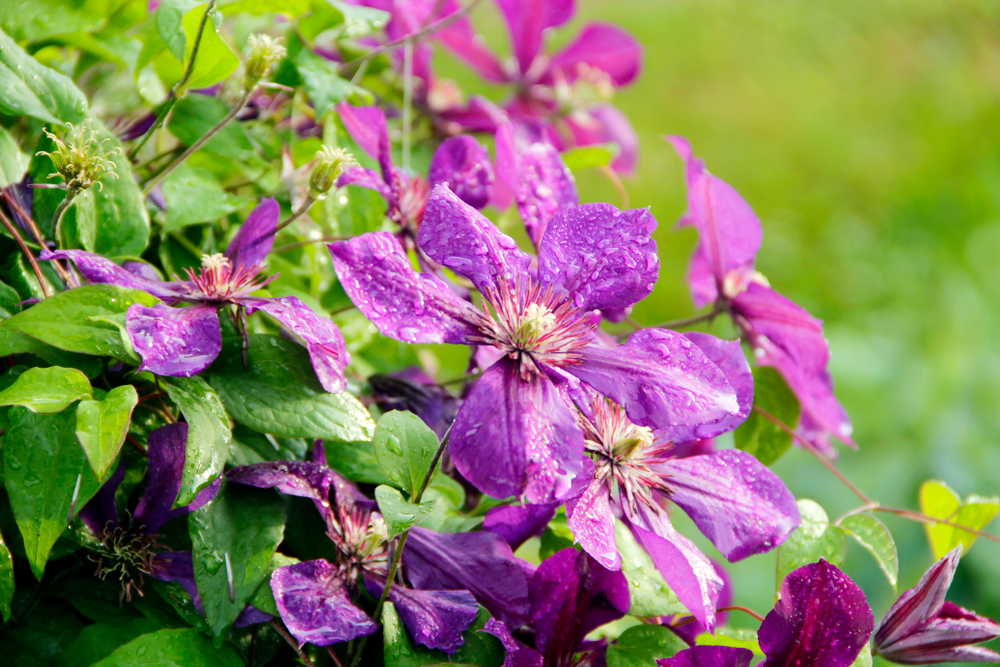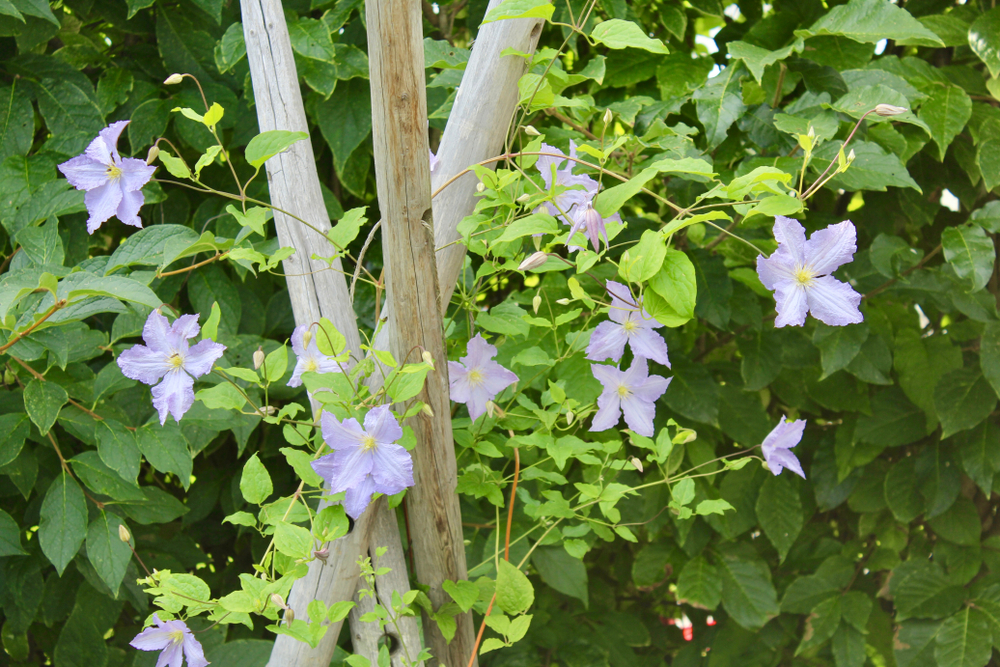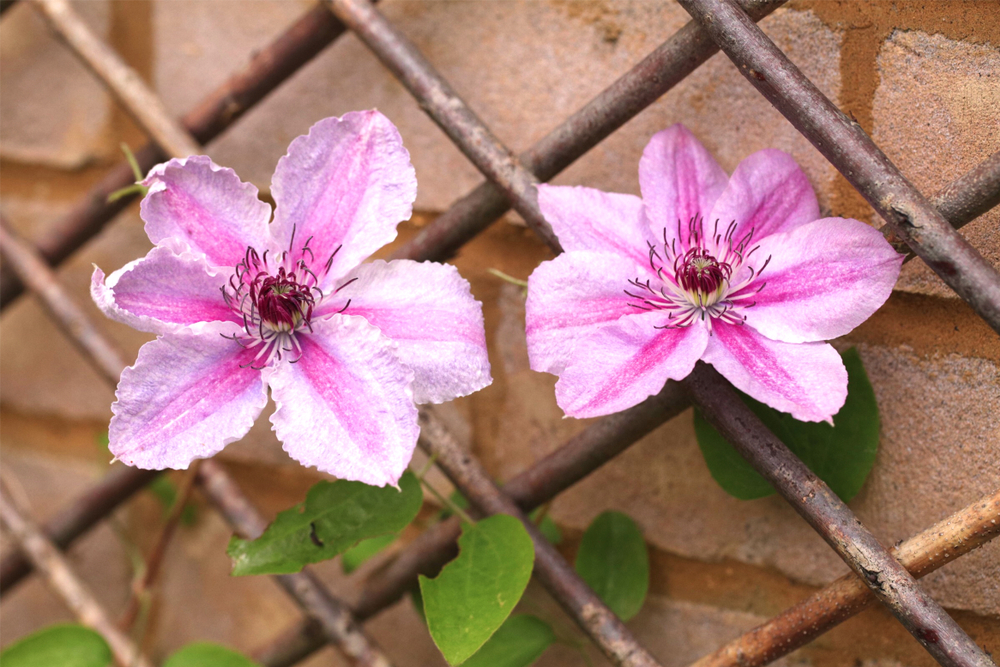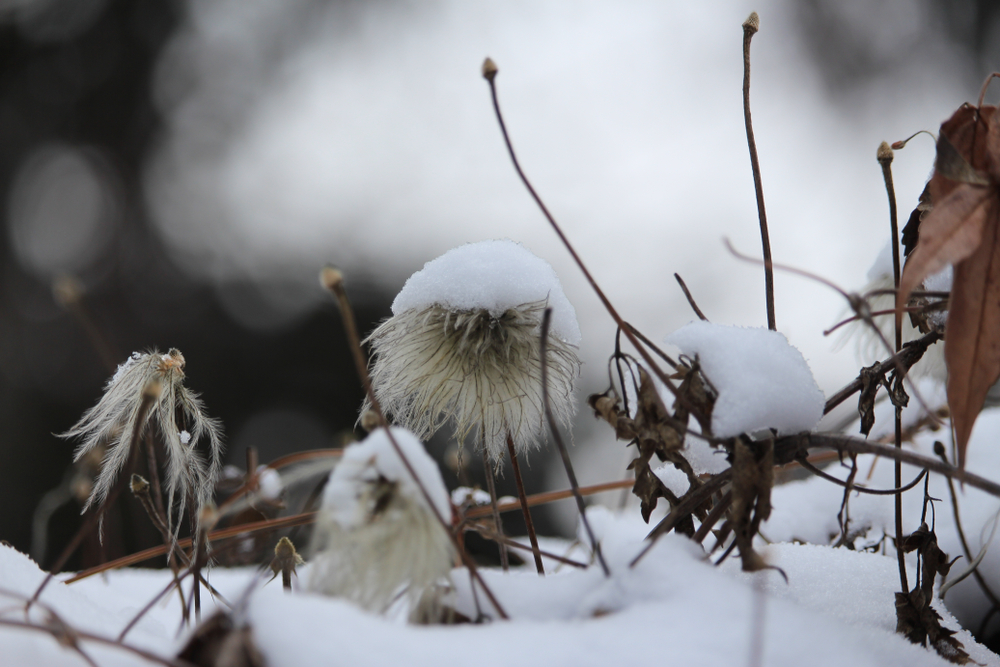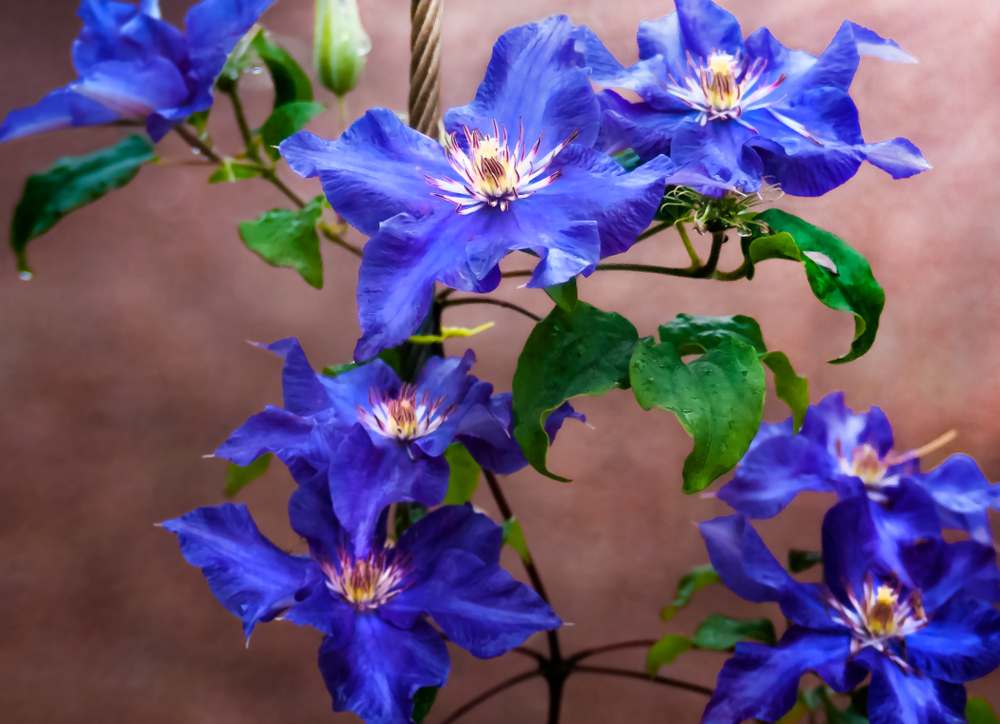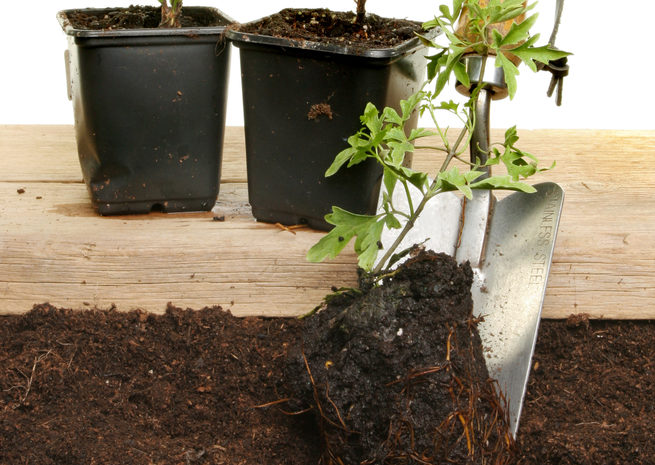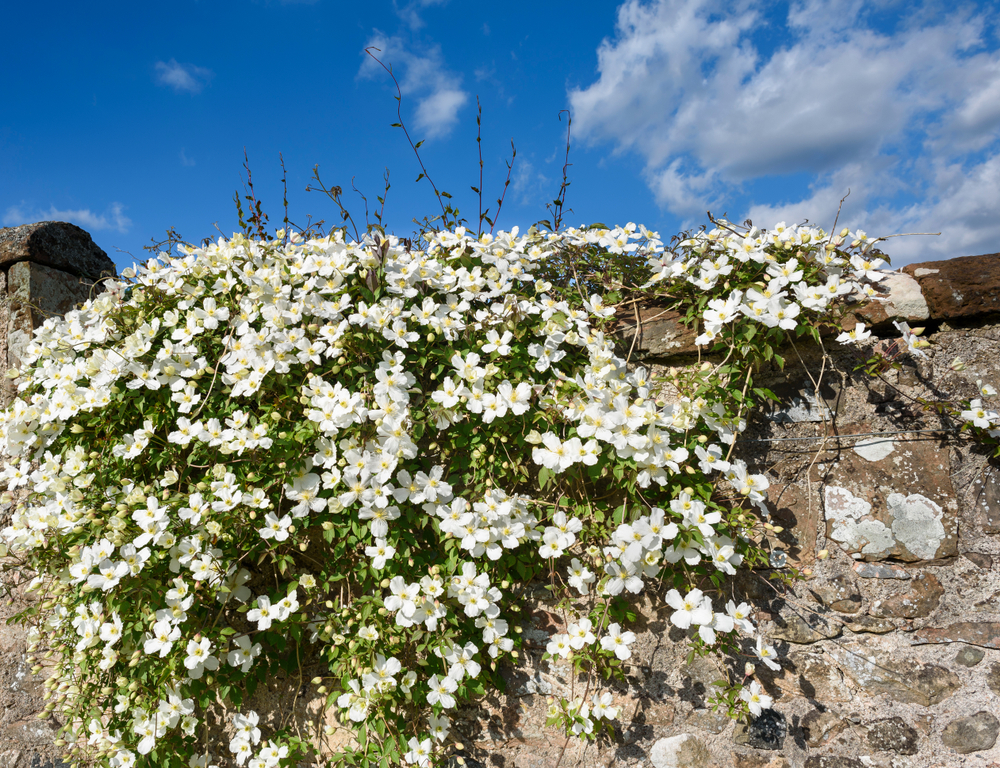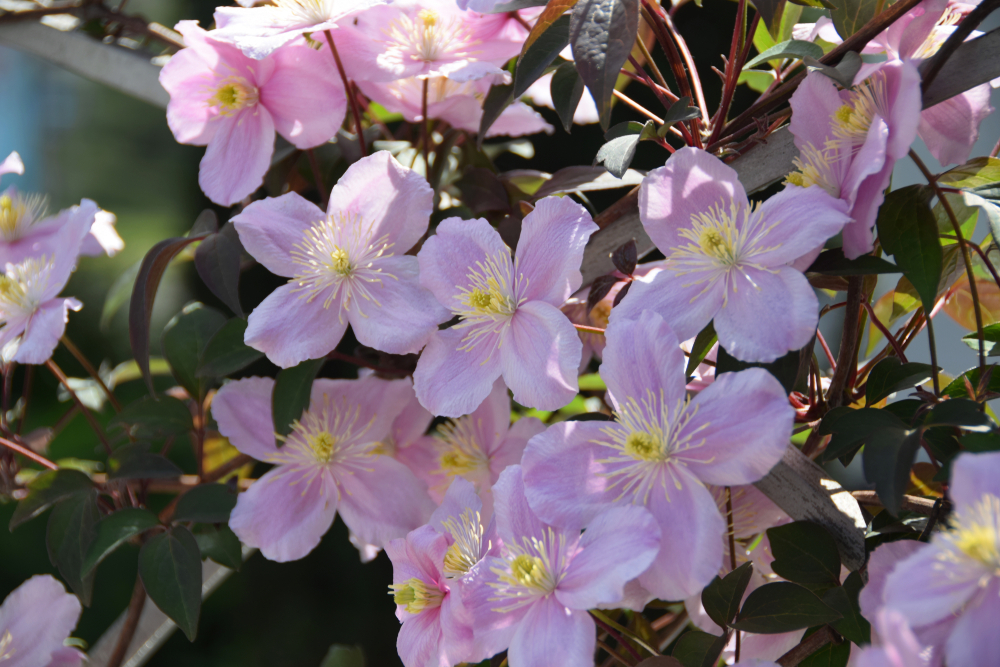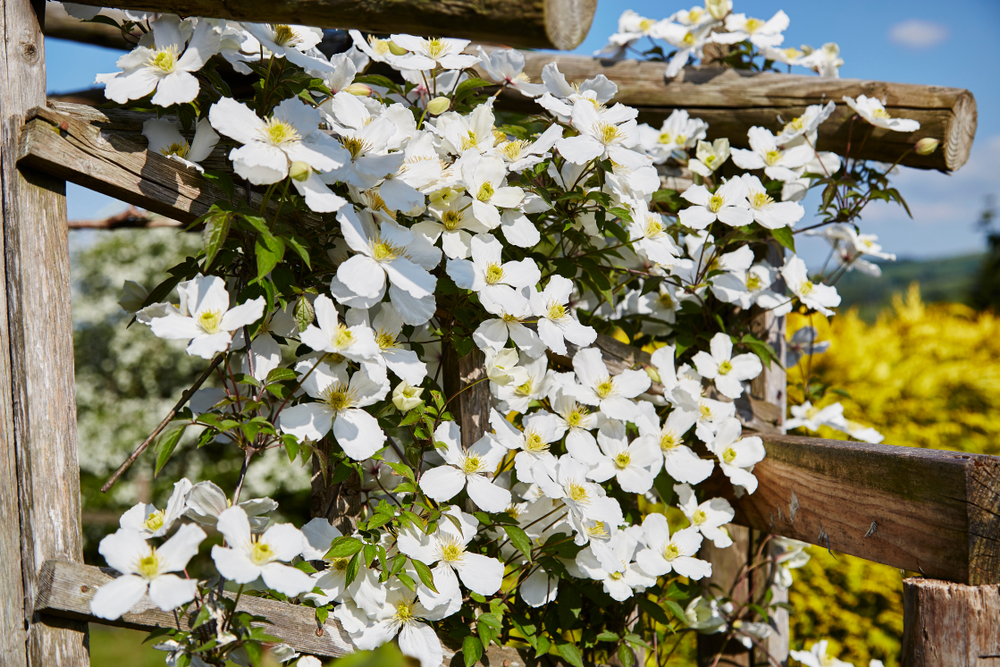
Trying to put together a “one-size-fits-all” guide for Clematis is a bit of a challenge! With over 300 different varieties found all across the globe, these plants are incredibly diverse. Depending on which one you pick, the flower size, color, and bloom time can vary wildly—which also means the “right” time to prune depends entirely on your specific plant. That said, most members of the Clematis family do share a few common traits.
- Family: Ranunculaceae (Buttercup family)
- Best spot: Partial shade
- Soil needs: Heavy feeders (they love their nutrients!)
- Water: Prefers consistently moist soil, but definitely not soggy feet
- Toxicity: Toxic if ingested
- Growth habit: Climbing vine
Height and Spread
While you’ll occasionally see Clematis used as a lush groundcover, most of us love to see them scale a trellis, fence, or pergola. Depending on the variety, they can really take off:
- Alpine Clematis (Clematis alpina): Reaches 5 to 13 feet high and about 3 to 4.5 feet wide.
- Curly Clematis (Clematis crispa): Grows between 5 to 8 feet high and 3 to 4 feet wide.
- Italian Clematis (Clematis viticella): Reaches 6 to 16 feet high but stays slim at 2 to 3 feet wide.
- Anemone Clematis (Clematis montana): A real giant! It hits 23 to 40 feet high and 6 to 11 feet wide.
- Traveler’s Joy (Clematis vitalba): Another big climber, reaching 20 to 33 feet high and 10 to 13 feet wide.
When to Prune: It’s All About the Group
Knowing when to grab your shears depends on which pruning group your variety falls into. Early bloomers belong to Pruning Group 1. The classic summer bloomers make up Group 2. Finally, Pruning Group 3 consists of those hardworking varieties that treat us to flowers twice a year.