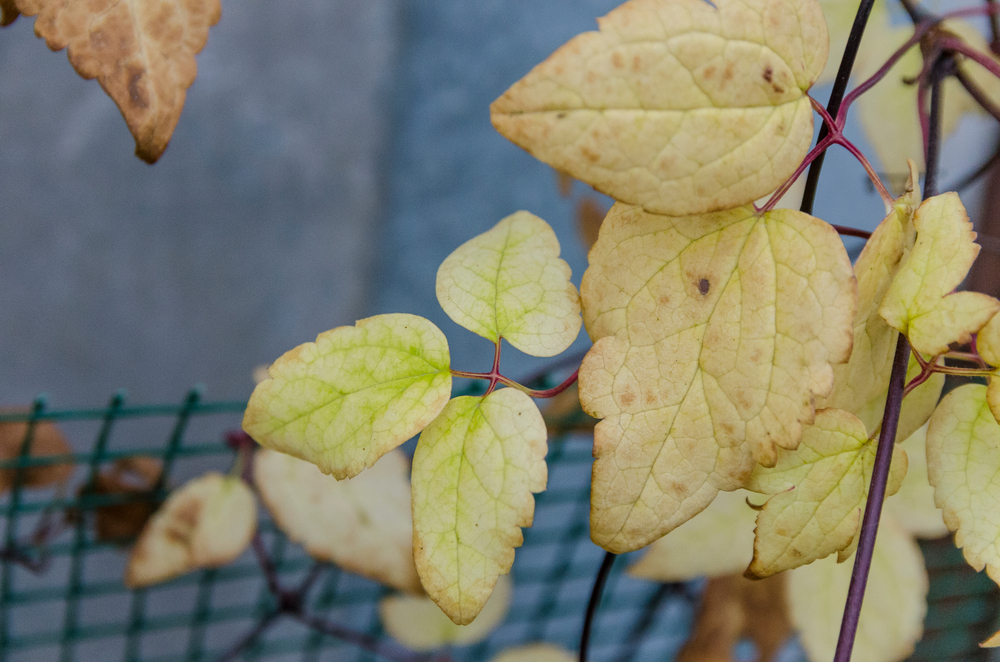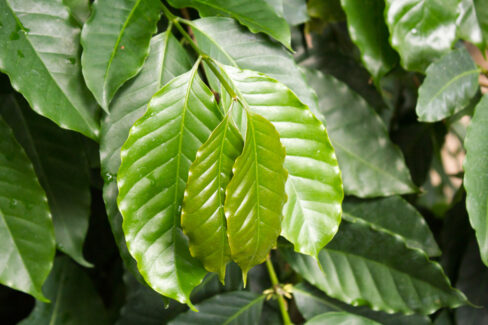
Every now and then, you might notice your coffee plant’s leaves turning yellow, and if left unchecked, they eventually turn brown. If you’re seeing a lot of yellow popping up, it’s definitely time to play plant doctor and give your leafy friend a quick check-up.
Finding the Root Cause
If about a quarter of the leaves are yellowing, or if you notice yellow patches appearing every few weeks, you’ll want to investigate. There are a few common culprits behind yellow leaves, and the good news is that it’s much easier to fix things at this stage than when you’re dealing with fully brown leaves.
Common causes include:
- Nutrient deficiency
- Over-fertilizing
- Pests or diseases
- Root damage
Nutrient Balance
Coffee plants are a bit like Goldilocks—they don’t like too little or too much food. Interestingly, an overdose of certain micronutrients can trigger yellowing just as easily as a lack of them. As a general rule, you should steer clear of mineral-based synthetic fertilizers.
Your coffee plant will be much happier with organic fertilizers. I recommend mixing a slow-release organic fertilizer into the soil. However, when the plant is flowering or growing berries, it needs a quicker boost. During these times, use a liquid organic fertilizer in your watering can about once every three to four weeks.
Pests and Diseases
Luckily, coffee plants aren’t usually a magnet for trouble, but they aren’t invincible. If you see small yellow spots that eventually spread across the whole leaf, you might have uninvited guests. Sucking insects like scale are often the culprits; they damage the leaf tissue, causing the area around the “bite” to die off.
Occasionally, fungal infections can also move in. Rust fungi are the most common offenders, leading to those tell-tale yellow and brownish discolorations.
Root Damage
When it’s time to repot your coffee plant, be extra gentle with the root ball. Damaged roots can’t efficiently transport nutrients to the rest of the plant. This leads to a nutrient deficiency that shows up as yellow leaves, which eventually turn brown and drop off.
Besides accidental damage during repotting, “wet feet” (standing water) is a major enemy. Waterlogging causes root rot, which can be fatal. Often, by the time you notice the damage, even emergency repotting might not save it. When watering your coffee plant, aim for consistency but keep it moderate. Not sure if it needs a drink? Try the finger test: stick your finger deep into the soil. If the tip feels moist, you’re good to go—no watering needed yet!