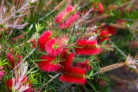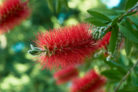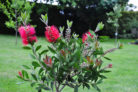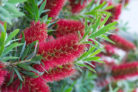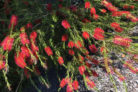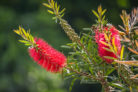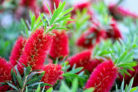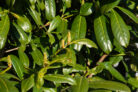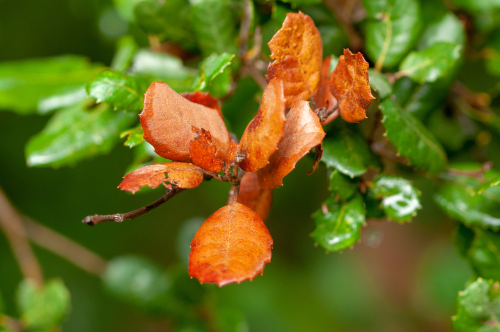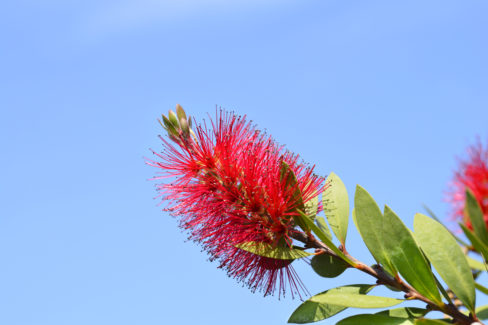
Normally, the Bottlebrush tree keeps its vibrant green foliage all year round, even after fall wraps up. This means those leaves should stay looking healthy and full of life. Sure, it’s totally normal for the plant to shed a few old leaves here and there—they’ll dry up and drop off naturally. But if you start seeing a lot of brown, crispy leaves, it’s time to step in and do a little detective work.
Is Your Plant Just Getting Old?
If your Bottlebrush is looking a bit “long in the tooth,” it might start drying out simply due to age. When a plant gets too woody or overgrown, you’ll often notice that it stops blooming, too. The fix? Give it a good, hard prune in the spring to rejuvenate it and encourage fresh new growth. After that, make sure to thin it out annually so it stays youthful and happy.
Other Reasons for Dry Leaves
If age isn’t the issue, and you’re seeing dried-out leaves, you’ll want to check for these common culprits:
- Waterlogging (soggy feet)
- Drought stress
- Poor overwintering conditions
- Nutrient deficiency
While less common, pests can also sometimes be the reason behind those dry leaves.
Too Much Water (Waterlogging)
As most gardeners know, very few plants enjoy sitting in soggy soil. If the roots stay too wet, they’ll start to rot, which means they can’t send water up to the rest of the plant. If this happens, repot your Bottlebrush immediately into fresh soil and trim away any mushy, rotting roots. Make sure your new pot has a good drainage layer, and always empty the saucer after watering.
Not Enough Water (Drought)
During the summer, you want to keep the soil consistently moist. In the winter, it’s okay for the root ball to dry out a bit more, but never let it go bone-dry! Since this Australian native keeps its leaves in the winter, it’s still losing moisture through evaporation. Dry air can also be a problem, especially if the plant is sitting in a warm, heated room.
Pro Tip:
Mist your Bottlebrush regularly, use a room humidifier, or place a bowl of water on the radiator to keep the humidity levels up.
Winter Woes
Since the Bottlebrush isn’t frost-hardy, it needs to spend the winter indoors. A bright spot that stays between 40-50°F (5-10°C) is perfect. If the room is too dark or if the plant experienced a sudden temperature shock during the move, it can weaken the plant and lead to those crispy leaves.
Hungry Plants (Nutrient Deficiency)
The Bottlebrush is a “heavy feeder.” While it doesn’t need any snacks during its winter nap, it needs fertilizer every two weeks during the growing season. If it’s missing essential nutrients, it might start sacrificing leaves to survive. The good news? You don’t need to prune these dead leaves off; they’ll eventually fall off on their own once the plant is healthy again.