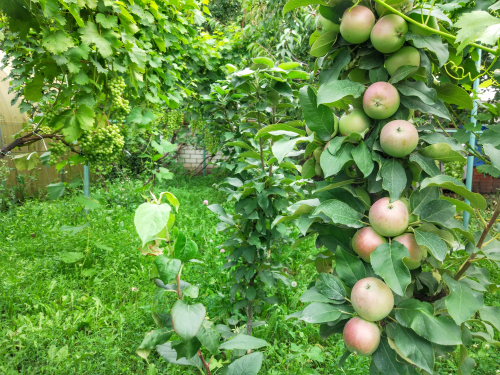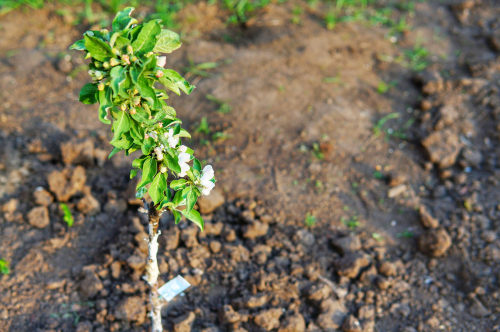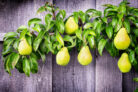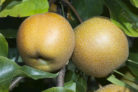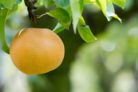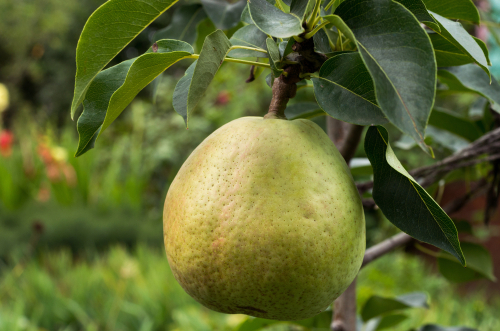
If you’re working with a small backyard or just a sunny balcony or patio, a columnar pear tree is a total game-changer. These trees are famous for their slim profile, but don’t let their size fool you—they can produce a surprisingly huge harvest of juicy, sweet fruit. Whether you want to grow them in the ground or in a large pot, you’ve got some great varieties to choose from to get that perfect upright look.
Popular Columnar Pear Varieties
Training a pear tree into a sleek, upright shape is actually pretty straightforward. Typically, these trees reach a height of about 8 feet, though you can definitely keep them shorter if you prefer. Since they only grow about 12 to 16 inches wide, they’re actually a brilliant choice for a living privacy screen. Here are some of the most popular varieties for this style:
- Pyrus communis “Bambinella”
- Pyrus communis “Concorde”
- Pyrus communis “Conference”
- Pyrus communis “Condora”
- Pyrus communis “Doyenné du Comice”
- Pyrus communis “Decora”
- Pyrus communis “Obelisk”
Keep in mind that not all of these will grow into a perfect pillar shape entirely on their own. However, with just a little bit of pruning and maintenance, you can easily train them to maintain that narrow, columnar form.
The “Decora” Variety
If flavor is your top priority, “Decora” is a fantastic pick. These pears are incredibly sweet, aromatic, and have a wonderfully soft texture. This is a late-ripening variety, so you’ll be looking at a harvest window between August and September. One of the best things about “Decora” is that the fruit stores well—you can keep these pears fresh all the way into December! Because it has a naturally upright growth habit, it’s a dream for container gardening. Just make sure you pick a large enough pot so the roots have plenty of room to stretch out.
The “Conference” Variety
“Conference” is a classic for a reason. It produces delicious, juicy pears that are famous for their long shelf life. The flesh is buttery soft and tastes amazing. But there’s a bonus: “Conference” is also an excellent pollinator. If you plant it near other pear or fruit trees, you’ll likely see a significant boost in your overall harvest. Plus, once you get your tree established, you can look forward to many years of homegrown fruit right outside your door.