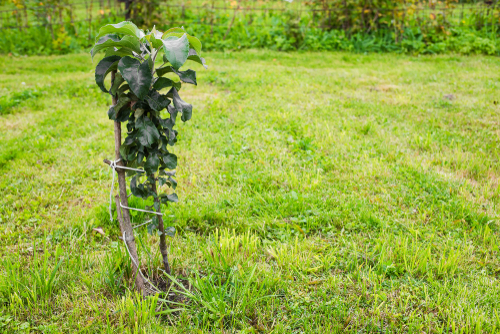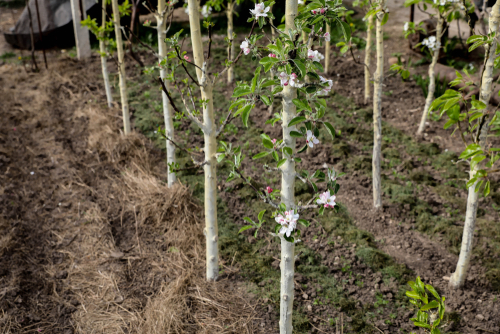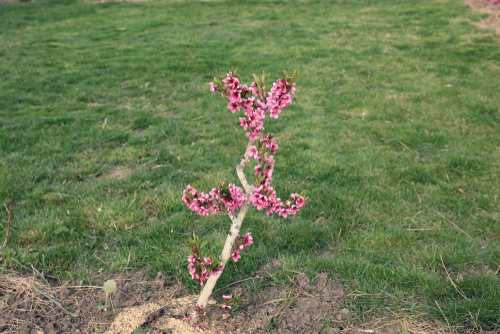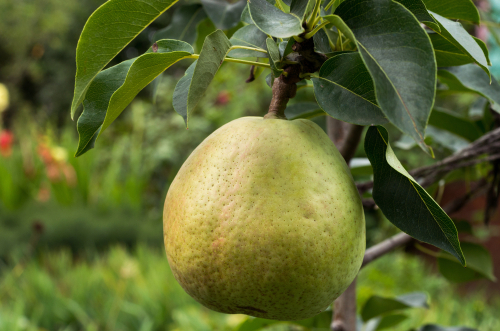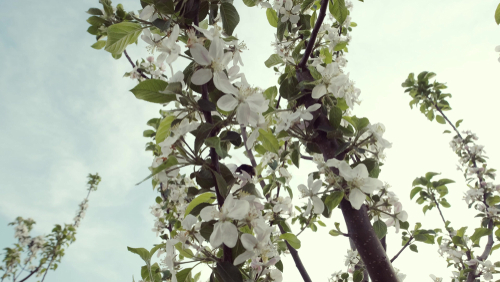
More and more gardeners are jumping on the columnar fruit tree bandwagon, and it’s easy to see why! Columnar pears are a total game-changer if you’re short on space or just want a low-maintenance harvest. They take up very little room and are generally easy to care for. The main trick to keeping them looking like a sleek pillar rather than a messy bush is staying on top of your pruning.
Pruning Needs Depend on the Variety
Not every pear variety is genetically programmed to grow in a perfect column. Some need a little extra “tough love” with the shears to maintain that narrow silhouette. Keeping those side branches in check is key to making sure your tree stays slim and trim. On the flip side, varieties like “Decora” are natural overachievers—they grow vertically on their own and barely need any pruning at all. Generally, you’ll want to reach for your pruners if:
- Your columnar pear is losing its shape,
- It’s starting to look too bushy or branched out,
- Or it’s simply getting too tall for your liking.
When is the Best Time to Prune?
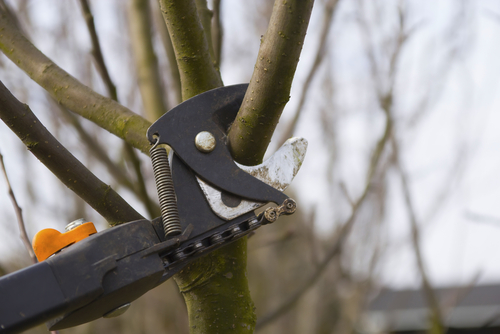
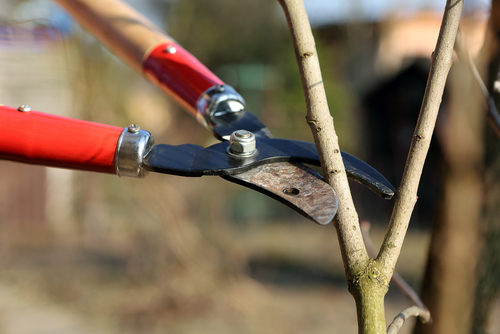
The sweet spot for pruning your columnar pear is usually mid-to-late June. You’ll want to head back those side shoots to about two or three buds. This usually leaves you with a branch about 6 inches (15 cm) long. Make sure to cut just above a “bud eye.” Most importantly: always use sharp, clean bypass pruners!
Clean tools are the best way to prevent spreading diseases or inviting pests into your garden. While you’re at it, go ahead and snip off any broken or damaged twigs. As a rule of thumb, leave the central leader (the main vertical trunk) alone. You only want to top that main stem if the tree is reaching a height you can’t manage.
Keeping the Height Under Control
Even though they are narrow, columnar pears can still get pretty tall. If you want to keep yours compact—which is a must if you’re growing it in a pot on the patio—you’ll eventually need to trim that dominant central leader. While most gardeners leave the main trunk alone for the first seven years, you can start earlier if you need to limit the height.
Just keep an eye on the side branches afterward; sometimes cutting the top encourages the tree to push more growth out to the sides. This is especially important if you have neighboring plants nearby and need to make sure your pear tree stays in its own lane!