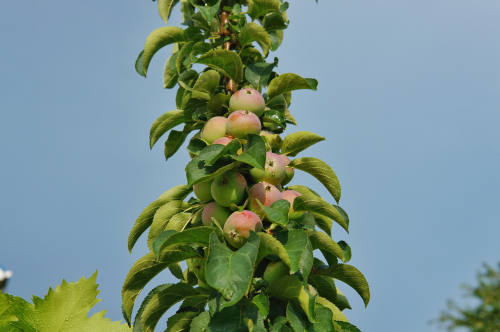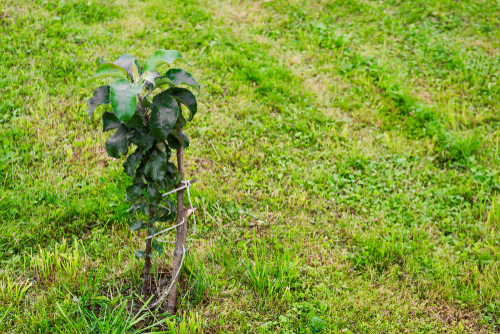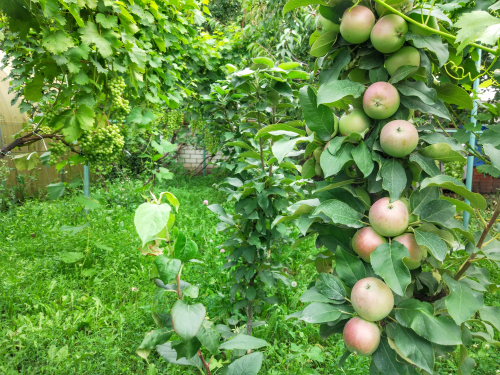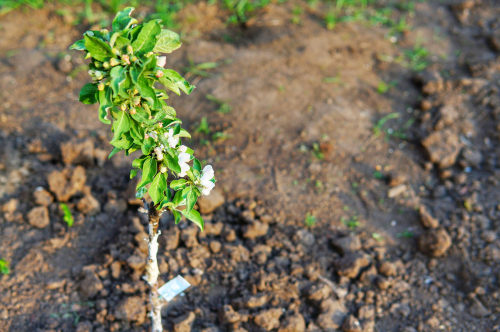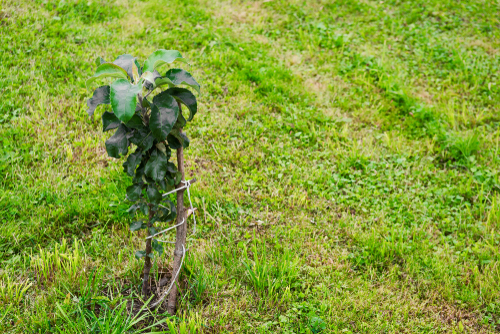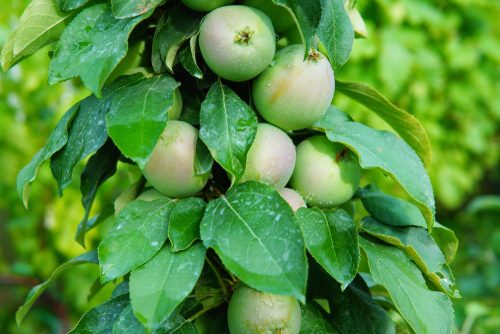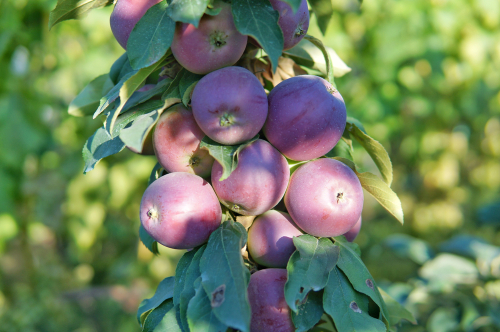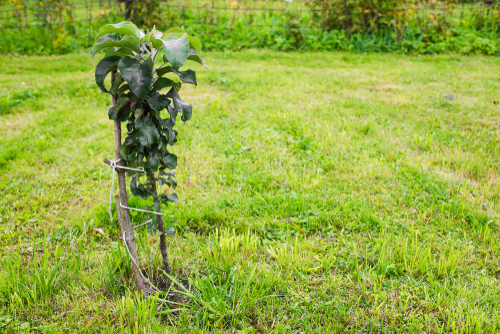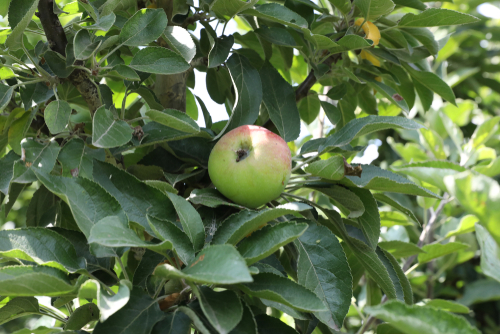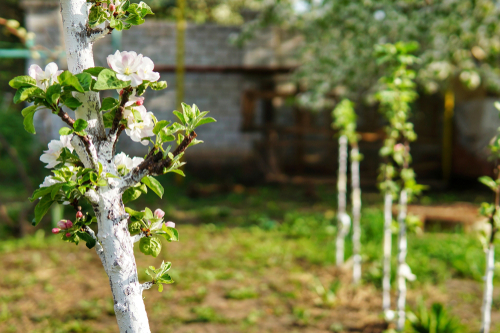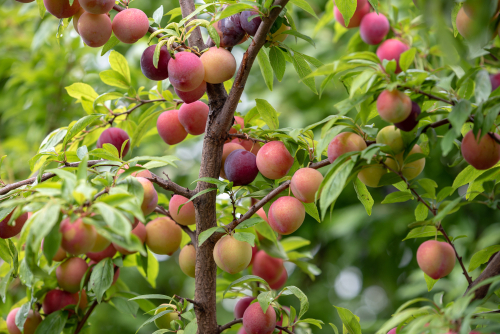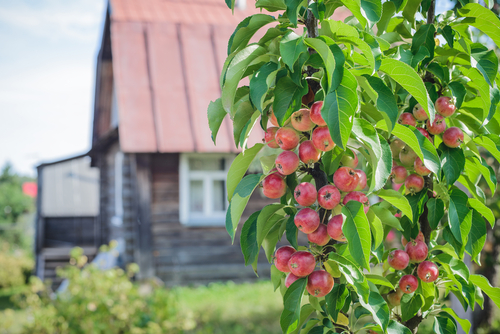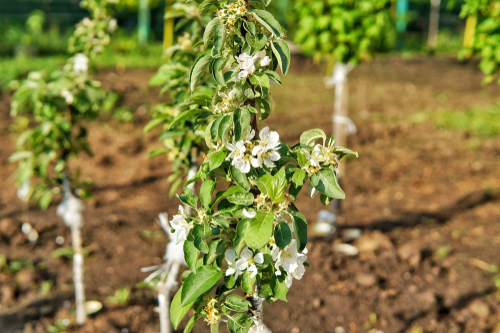
Most of us don’t have enough backyard real estate to plant a full-blown orchard. But here’s the good news: you don’t actually need a ton of space! If you’re dreaming of homegrown fruit but short on square footage, columnar fruit trees are your new best friend. Even though these trees grow in a super slim, upright shape, you still need to give them a little breathing room to thrive.
Getting the Spacing Just Right
When you first bring home young fruit trees, they all look pretty skinny. Don’t let that fool you into crowding them together! If you’re planning to plant a row of them—maybe to create a tasty edible hedge—you’ve got to resist the urge to pack them in too tight. If they’re planted too close, they won’t have the space they need to grow properly. Plus, their roots will end up in a wrestling match for nutrients and water, which isn’t good for anyone.
For a hedge planting, aim for a minimum distance of about 20 inches (50 cm) between trees, though 24 inches (60 cm) is even better. Now, if you’re growing your columnar fruit in pots like many patio gardeners do, you don’t have to worry about fixed spacing since you can move them whenever you want. In that case, the pot size is what really matters. Make sure your containers hold at least 10 gallons (about 40 liters) to give those roots plenty of room to stretch out.
Don’t Forget the Neighbors
Unless you live out in the middle of nowhere, you probably have neighbors to consider. You can’t just pop a fruit tree right on the property line. Most areas have local ordinances or “good neighbor” laws regarding how close you can plant to a boundary. These rules usually vary depending on what you’re planting, such as:
- Shrubs
- Hedges
- Fruit trees
- Standard shade trees
As a general rule of thumb, it’s a good idea to leave at least six feet of space between your tree and the neighbor’s fence to keep things friendly.
Pruning Keeps Things Manageable
To keep your columnar trees looking sharp and producing well, regular pruning is key. Not only does this maintain that signature slim silhouette, but it also helps prevent any “over the fence” drama with the folks next door. One of the biggest complaints between neighbors is trees casting unwanted shade on someone else’s yard. Luckily, with the narrow growth habit of columnar trees, that’s usually not an issue you’ll have to worry about!