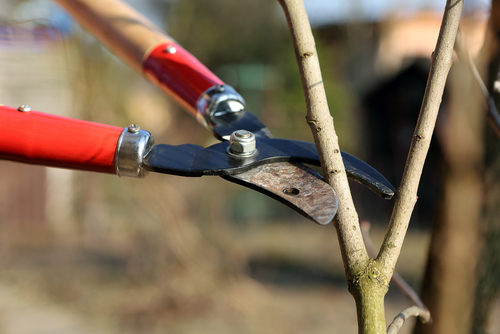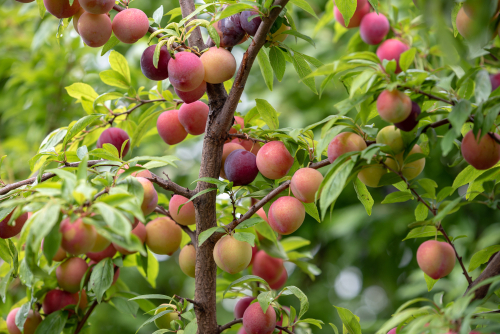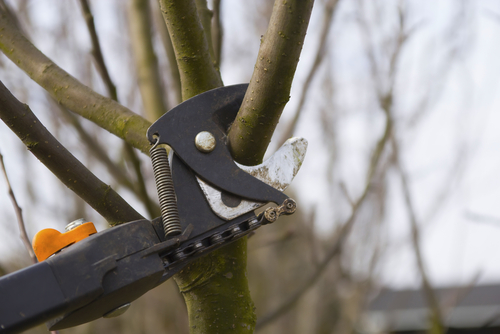
By nature, plum trees tend to grow pretty slim and upright. This gives them a huge head start as column fruit compared to some other columnar varieties. Because they naturally want to stay narrow, you actually don’t have to reach for the pruning shears quite as often. Let’s dive into the details.
Do you even need to prune a columnar plum tree?
When we talk about “columnar fruit,” we’re usually picturing a tree that stays thin, upright, and—most importantly—at a manageable height. While the plum tree naturally nails the “thin and upright” part, it doesn’t always know when to stop growing tall! With the right care and the perfect location, these trees can really take off. If you want to keep yours at a reachable height, you’ll definitely need to do some regular trimming.
This is especially true if you’re growing your columnar plum in a pot—it simply can’t grow toward the clouds forever. Aside from controlling the size, here are a few more reasons to keep up with pruning:
- It boosts your fruit harvest.
- It keeps the tree healthy and strong.
- It ensures better airflow and lets sunlight reach the center of the tree.
When is the best time to prune?
Just like most fruit trees, you have a few options for when to prune your columnar plum. Many gardeners swear by winter pruning. Since the tree is dormant and the leaves have fallen, it’s much easier to see the structure of the branches and decide where to make your cuts.
However, while winter might be easier for the gardener, the tree actually prefers a summer trim—specifically in July. The tree tends to heal and tolerate pruning much better during the growing season than in the dead of winter. You can also do minor touch-ups in the spring. As you can see, these trees are pretty flexible when it comes to timing!
How to prune your columnar plum the right way
The golden rule is to wait until your tree has been in the ground (or pot) for at least a year before its first real haircut. There’s no need to start snipping any sooner than that. Once it’s established, I recommend regularly trimming the main leader (the central trunk) every year. This helps prevent the bottom of the trunk from becoming “bald” or leggy over time.
Your columnar plum will constantly try to sprout new side branches. To keep that signature pillar shape, you should head these back to about two buds (or “eyes”). Not only does this keep the tree looking sharp, but it also encourages the tree to produce a bumper crop of delicious plums!