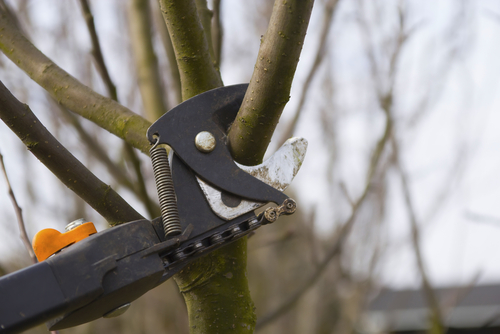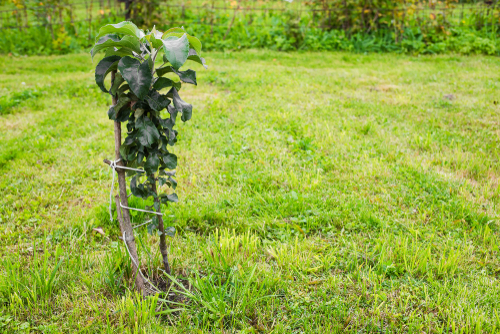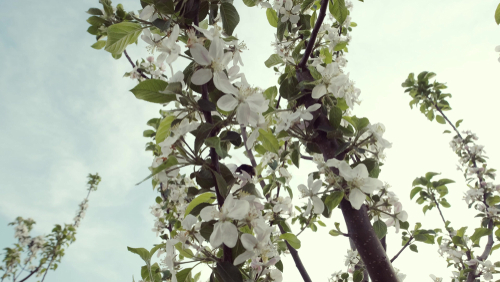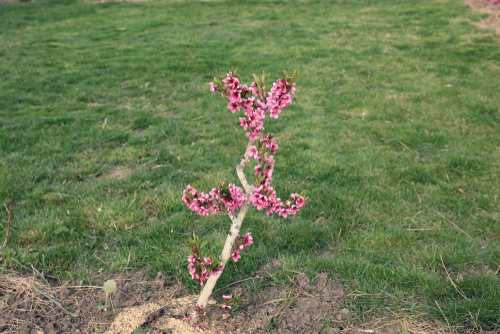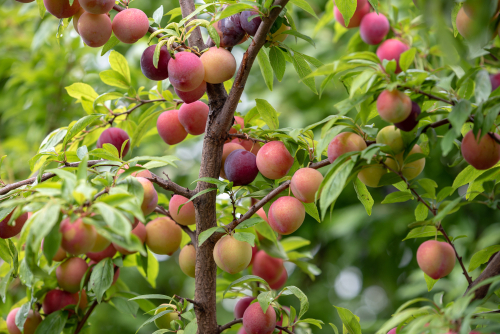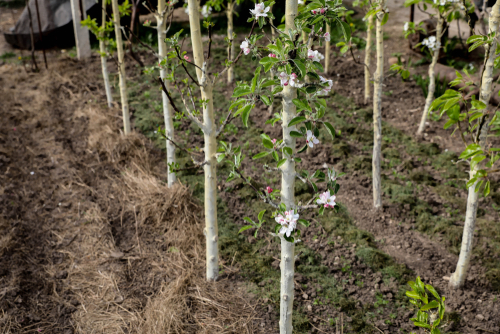
You can pretty much train any fruit variety to grow in a column, but plums have a huge head start: they naturally love to grow in a tall, slender shape. Even though they’re naturally upright and slim, don’t let that fool you—your columnar plum still needs a little TLC with the pruning shears to stay in tip-top shape.
Why You Should Prune Your Columnar Plum
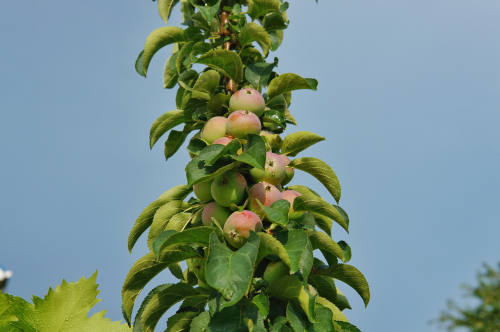
When we talk about “columnar” fruit trees, we’re usually looking for three things:
- A slim silhouette
- Upright growth
- A compact size that fits perfectly in small gardens or on patios.
But don’t mistake “compact” for “low yield.” A well-maintained columnar plum can produce a seriously impressive harvest for its size! To keep that signature pillar shape, you’ll want to do regular maintenance pruning. Not only does this keep the tree looking sharp, but it also boosts your fruit yield and keeps the tree healthy. Thinning out the branches is also key—it ensures good airflow throughout the tree, which helps prevent disease.
When is the Best Time to Prune?
There’s no “one-size-fits-all” date for this; it’s pretty similar to pruning a standard plum tree. Most gardeners find that these trees handle a haircut best in the summer—specifically June. Just a pro-tip: try to avoid doing this on a scorching hot day to minimize stress on the plant.
You can also prune in the spring or even during the winter. The big perk of winter pruning is that the tree is dormant and the leaves are gone, making it much easier to see the structure of the branches. If you go the winter route, just make sure you pick a mild day when there’s no frost in the forecast.
How to Properly Prune Your Columnar Plum
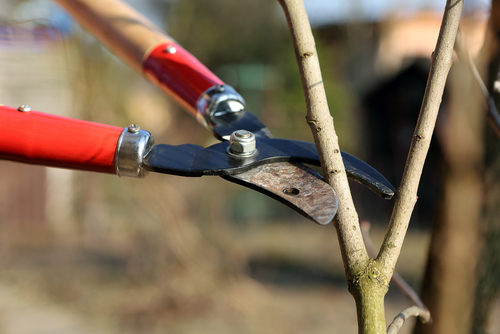
Generally, you’ll want to give your tree its first real trim about a year after planting. In the following years, make sure to regularly head back the main vertical leader. This prevents the tree from getting “leggy” or bare at the bottom.
Don’t forget about the side branches, either! Shorten new side shoots down to about three buds. This encourages the development of fruiting wood, which ultimately means a much better fruit harvest for you.
One little quirk about columnar plums is their tendency to grow a “competitor” leader—basically a second main trunk. This is pretty common with plums (it’s why some look more like shrubs), but for a columnar tree, you want to nip this in the bud. If you see a second vertical trunk competing with the main one, cut it off as early as possible. If you let it go, it can mess with the tree’s crown and even cause the tree to split apart down the road.