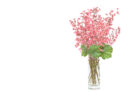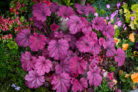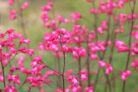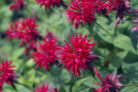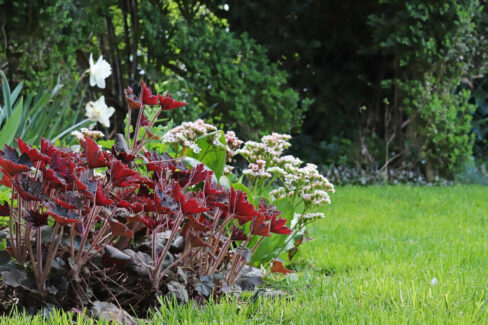
Coral Bells (botanical name *Heuchera*) are like the chameleons of the garden world. They come in an incredible array of colors and styles, with foliage and blooms that vary wildly from one variety to the next. Because they’re so diverse, the secret to growing happy, healthy Coral Bells is knowing exactly what your specific variety needs before you dig that first hole.
Finding the Perfect Spot
With about 50 different species out there, the “perfect spot” usually depends on the color of the leaves. Here are a few fan favorites and where they like to hang out:
- Rio: This one sports vibrant red leaves and absolutely loves soaking up the full sun.
- Marmelade: Featuring pretty purple-green foliage, this variety prefers a bit of afternoon relief in partial shade.
- Blackberry Jam: Known for its stunning deep purple leaves, this one also thrives best in partial shade.
- Mocha: This beauty has dramatic brownish-black leaves and produces white flowers through October when planted in a sunny spot.
- Purple Petticoats: These have dark purple tops and deep violet undersides; they’re happiest in full sun.
As a general rule of thumb, varieties with orange or yellow leaves tend to get “sunburned” or discolored in direct light, so partial shade is their best friend. On the flip side, red-leafed varieties need that sun to keep their color; if you put them in the shade, they’ll often fade to green. For most other types, partial shade is a safe bet. They also do great tucked under trees! Just avoid deep, dark shade—without enough light, your Coral Bells will get leggy and refuse to bloom.
Soil and Ground Rules
No matter the variety, all Coral Bells agree on one thing: they want rich, well-draining soil. They like to stay slightly moist, but “wet feet” (standing water) is a big no-no. If your garden soil is a bit heavy, try mixing in some coarse gravel to help it breathe. If you’re planting them in pots, definitely add a drainage layer at the bottom before you start.
To keep them fed, add some mulch and compost (or a slow-release fertilizer) in the spring and again at the end of summer. If they’re in the ground, that’s usually all the food they need! For container-grown plants, though, you’ll want to give them a little liquid fertilizer every now and then during the growing season.
When it comes to watering, less is more. Wait until the top layer of soil feels dry to the touch before giving them a drink. During the heat of the summer, try to water in the morning or late afternoon so the moisture actually gets to the roots instead of just evaporating in the sun.