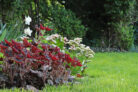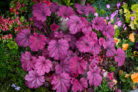
Most gardeners fall in love with Coral Bells (Heuchera) because of their stunning foliage. I mean, who can resist those leaves? They come in everything from deep, moody purples and fiery reds to bright lime greens and sunset oranges. But don’t sleep on their flowers! Those delicate little blooms add a whole other layer of charm to your garden beds.
When and How Do Coral Bells Bloom?
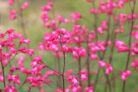
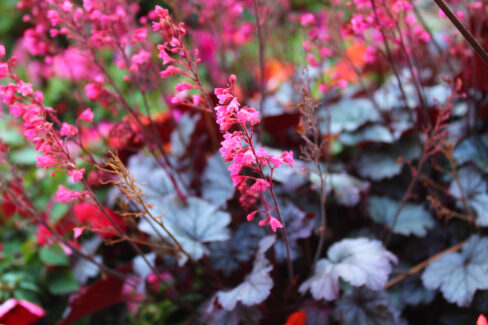
Once your Coral Bells have settled in and pushed out their gorgeous spring leaves, they start showing off their flowers around May. You’ll see long, slender stems shooting up, topped with airy clusters of tiny, bell-shaped blossoms. Depending on the variety, these can be crisp white, soft pink, or a vibrant “lipstick” red. When you plant them in groups, it honestly looks like a colorful, misty cloud is floating right above the foliage.
Since there are so many different species of Heuchera, the bloom times can vary a bit. While May is usually the star of the show, varieties like the “Blood-Red” Coral Bell really hit their stride in June or July. Some late-bloomers will even keep going into September! You can always spot the flowers by these traits:
- Thin, wiry stems that can reach up to 20 inches tall.
- Upright flower panicles (clusters) at the very top.
- Dozens of tiny, hanging “bells” on each stem.
- They are absolute magnets for bees, butterflies, and other pollinators!
Care Tips: Before and After the Blooms
When it comes to feeding, Coral Bells are pretty low-maintenance. In early spring, before the flowers pop up, you can give them a boost with some compost, horn meal, or a nice layer of bark mulch. I usually recommend a second feeding in late summer once the flowers have faded. At that point, you’ll want to snip the flower stalks off deep down near the base of the plant before adding a little more fertilizer.
If you’re growing your Coral Bells in containers, they’ll need a bit more attention—use a liquid fertilizer regularly throughout the entire growing season to keep them happy.
Watering is the other “secret sauce” for beautiful blooms. If Mother Nature isn’t providing enough rain, make sure to give your Heuchera a drink regularly. Just be careful: they hate “wet feet,” so avoid waterlogging the soil at all costs. For potted plants, wait until the top layer of soil feels dry before watering again. Pro tip: always make sure your pots have great drainage (or add a layer of gravel at the bottom) to keep that water moving!