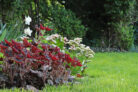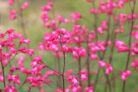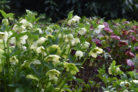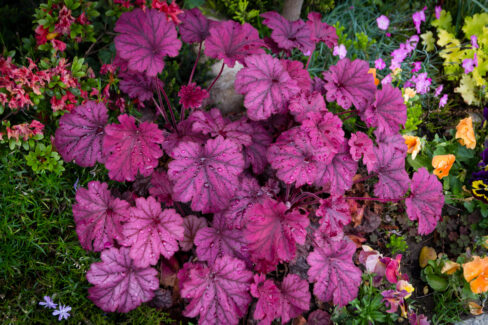
All species of Coral Bells (Heuchera) belong to the Saxifrage family. These beauties are the ultimate foliage plants—with their vibrant, colorful leaves, they’re a total game-changer for adding texture and visual interest to both your garden beds and patio containers.
Coral Bells in the Winter
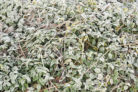
Typically reaching about 8 to 20 inches tall, these mounding perennials are generally quite hardy. One of the best things about them? Those colorful leaves usually stick around all winter, providing a much-needed pop of color when the rest of the garden looks a bit drab. To give them a little extra love during the cold months, I recommend spreading some bark mulch around the base and adding a bit of leaf compost to keep the roots cozy.
That said, some varieties are a bit more sensitive to the cold than others. It’s always a good idea to check the specific hardiness of the variety you’re buying. If you have a more delicate type, a few evergreen boughs can act as a great winter coat. This is especially important during “open winters” when there’s no snow cover to act as natural insulation.
There are a few other situations where your Coral Bells might need a little extra protection:
- If you live in a particularly harsh climate with extreme sub-zero temperatures.
- During “black frosts” (extreme cold without snow).
- For young plants grown from seed.
- For any new additions you just planted in the fall that haven’t had time to establish a strong root system yet.
For these sensitive plants, a loose covering of brushwood or evergreen branches works wonders. Compost is also a fantastic insulator; just pile it around the base to keep the frost at bay. Plus, it doubles as a built-in fertilizer once spring rolls around!
Caring for Potted Coral Bells
If you have Coral Bells in containers on your porch or balcony, you definitely need to protect them from freezing. Because the roots are above ground, the entire pot can freeze solid pretty quickly. Once it thaws, those roots can turn to mush, and you’ll lose the plant. To prevent this, start by placing your pots on an insulating base like a wooden pallet or a piece of Styrofoam. Then, wrap the container itself in burlap, frost fleece, or even bubble wrap.
Move the pot to a sheltered spot, like against a house wall or under an eave. Make sure to snip off any spent blooms and top the soil with a layer of bark mulch. The most important thing is to keep them outside—they need the fresh air! Just remember to check on them during frost-free days to see if they need a quick drink of water. Once you see the first signs of new growth in the spring, you can remove the winter wrapping and clear away any old, dry leaves.