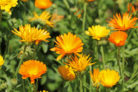
The Marsh Marigold is a true nature lover, usually found anywhere things get a little soggy. In the wild, you’ll spot them brightening up damp meadows, pond edges, and the banks of babbling brooks. Sadly, these wild beauties are becoming a rarer sight in many areas.
Fun Facts About the Marsh Marigold
A proud member of the buttercup family, the Marsh Marigold is native to the entire Northern Hemisphere. However, it’s currently facing some tough times. As we fill in low-lying areas where rainwater collects and small ponds naturally dry up, their habitat disappears. With groundwater levels dropping, the Marsh Marigold is actually landing on the endangered species list in several regions.
In terms of looks, this perennial grows anywhere from 8 to 20 inches tall. It features hollow, slightly curved stems with dark green, kidney-shaped leaves at the base. At the top, the stems branch out to show off those iconic, vibrant yellow cup-shaped flowers. Once the blooms fade, they leave behind seed pods. When the seeds are ripe, they drop into the water and float away, starting new little colonies wherever they eventually wash ashore.
The Perfect Spot
If you have a nutrient-rich boggy area near your garden pond, the Marsh Marigold will feel right at home. It doesn’t even mind sitting in up to 4 inches of standing water! These plants crave sunshine, though they’ll tolerate a bit of light partial shade. The key is the soil: it needs to be rich in nutrients and consistently moist or wet. Don’t worry too much during a heatwave, though—they can handle a very brief dry spell in the peak of summer.
How to Plant Your Marsh Marigold
Spring is the absolute best time to get these in the ground. A quick pro-tip: always buy your plants from a reputable nursery or garden center rather than digging them up from the wild. Here’s how to get them settled:
- Pick a sunny spot in your pond’s shallow water zone, a damp meadow area, or along a stream.
- Make sure the soil stays consistently wet.
- If you have a sturdy, established plant, you can tuck it directly into the moist earth right at the water’s edge.
- For backyard ponds, plant them in aquatic soil along the bank and use a few pebbles to keep them stable.
- For younger plants, it’s best to keep them in a planting basket filled with aquatic soil for a while. Don’t set them too deep in the water at first. You can cover the plastic basket with some decorative gravel to keep it from floating away.