Ever wonder where those cheerful little crocuses actually come from or how many varieties are out there? Whether you’re looking for practical gardening tips or just want to impress your neighbors with some botanical trivia, I’ve rounded up everything you need to know about these spring favorites.
General Overview
Classification and Botanical Background
- Latin Name: Crocus
- Plant Family: Iridaceae (Iris family)
- Order: Asparagales
- Diversity: About 80 distinct species, plus countless hybrids and cultivars.
Pro Tip: The name “Crocus” actually comes from the Greek word “krókos,” which means “thread”—a nod to the plant’s famous filaments.
Origins and Habitat
- Native Home: Likely Greece and the surrounding Mediterranean.
- Global Reach: You can find them blooming all over the world today.
- In the Wild: While many are garden hybrids, wild species still thrive in mountainous regions like the Alps.
- Primary Use: Ornamental gardening and landscaping.
- Lifespan: Generally 2 to 6 years.
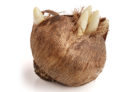
- Propagation: They spread via “daughter” corms or self-seeding.
Pro Tip: For that stunning “flower carpet” look on your lawn, just let nature take its course! Crocuses are great at naturalizing (spreading on their own). Just a heads-up: don’t mow over the withered flowers or foliage until they’ve completely dried out, or you’ll stunt their growth for next year.
Fun Facts & Safety
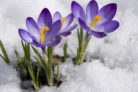
- Hardiness: Very winter-hardy.
- Toxicity: Mildly toxic to humans, but can be very dangerous for pets. Keep an eye on your furry friends!
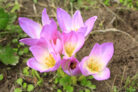
- Look-alikes: Be careful not to confuse fall-blooming crocuses with the “Autumn Crocus” (Colchicum), which is highly toxic.
- Scent: Very faint.
- Unique Feature: After pollination, the ovary actually develops underground. They are iconic spring starters, though some varieties prefer to show off in the fall.
Pro Tip: The Saffron Crocus is the only edible member of the family. The spice derived from it is the most expensive in the world because it’s incredibly labor-intensive to harvest. It all has to be done by hand, often at night, during a very short blooming window.
Appearance
Growth Habit
- Height: These little guys stay low to the ground, usually reaching about 4 to 6 inches.
The Flowers
- Bloom Time: February to April for spring varieties; September to October for fall varieties.
- Structure: A long floral tube (up to 4 inches) featuring three distinct stamens.
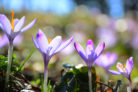
- Colors: You can find them in orange, yellow, white, various shades of purple and blue, and even some cool striped or bicolor versions.
Pro Tip: Here’s a little secret: the later a crocus blooms in the spring, the larger the flower tends to be!
The Leaves
- Color: Deep green.
- Shape: Narrow, grass-like, and smooth, often with a distinct silvery stripe down the middle.