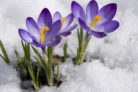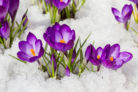
Delicate, colorful, and a total eye-catcher—that’s the crocus for you! These little beauties are often the first sign of life on a sleepy spring lawn. In this post, we’re going to dive into what makes this tiny plant so special and why its bloom plays such a vital role in its survival.
Anatomy of a Bloom
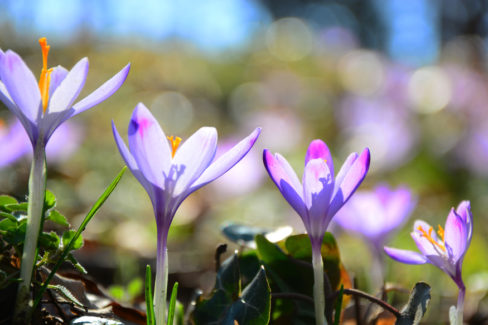
At first glance, it might look like crocuses grow in bunches, but that’s actually a bit of an optical illusion. Each individual plant produces just one single flower. That flower is made up of a few key parts:
- A long floral tube
- Uniform petals
- Stamens tucked inside
Pro Tip: Did you know that the floral tube can grow up to 4 inches (10 cm) long?
A Rainbow of Colors
Crocuses come in a stunning variety of shades, including:
- Orange
- Yellow
- Purple/Violet
- White
- Bluish tones
- Pink (usually these are special hybrids)
Pro Tip: The bright yellow stamens inside the flower create a gorgeous contrast, especially against the purple varieties. It’s pretty rare to see them in white or darker colors, but it does happen!
Why They Need the Cold (Stratification)
Like many of our favorite spring-flowering bulbs, crocuses need a “chilling period” to trigger their blooming cycle. Botanists call this process stratification. Think of it as nature’s built-in alarm clock; it prevents the plant from sprouting too early in the winter. While a crocus bloom is tough enough to keep growing even if it snows, the ground shouldn’t freeze solid once the buds have opened. As the deep winter cold starts to fade, it signals to the crocus that spring is around the corner and it’s time to put on a show.
Pro Tip: If you’re having a particularly mild winter, don’t be surprised if you see the first crocus blooms popping up as early as January!
How They Spread
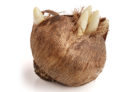
Most of the crocuses we plant in our gardens aren’t great at self-seeding—that’s a trait usually reserved for wild varieties. To reproduce, they rely on their stamens being pollinated by busy insects. Interestingly, the ovary (which holds the seeds) actually matures underground and only pushes its way up to the surface after pollination has successfully occurred.
A Note on Toxicity
As beautiful as these flowers are, they’re a “look but don’t touch” (and definitely don’t taste) kind of plant. While the famous Saffron Crocus is edible and highly prized, almost all other garden varieties are toxic. In humans, ingestion can cause nasty stomach cramps, but for pets, the crocus can be much more dangerous—even fatal. Keep an eye on your furry friends when these start popping up!