A single crocus might look small and unassuming on its own, but when you plant them in groups, they transform your garden into a stunning sea of color. To make sure you get that picture-perfect look, there are a few things you should keep in mind before you start digging. In this guide, I’ve rounded up the golden rules for planting crocuses, along with some of my favorite tips and tricks to help them thrive.
When is the Best Time to Plant?
Technically, you can put crocus bulbs in the ground almost any time the weather behaves, but the “sweet spot” is usually late summer through mid-October. If you’re having a mild winter, you can actually push that window back quite a bit. As long as the ground isn’t frozen solid, you can get those bulbs in the dirt! If you don’t have a cool, dry place to store bulbs you’ve already bought, it’s better to wait until spring to buy fresh ones and plant them immediately.
Pro Tip: Keep an eye out in November! You can often find bulbs on clearance. If the temperatures are still holding steady, it’s a great time to buy in bulk for cheap and create that massive carpet of flowers you’ve always wanted.
Planting Guide
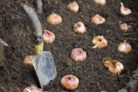
- Planting Depth: Aim for about 2 inches deep, depending on the size of the bulb.
- Location: They love full sun, but they’ll also do just fine in partial shade (like under tall trees).
- Soil Needs: They aren’t too picky, but they prefer soil that isn’t too heavy. Make sure it’s rich in organic matter and well-draining—crocuses don’t like “wet feet.”
Pro Tip: Because they don’t need to be planted very deep, crocuses are perfect for balcony flower boxes. Another plus? If you ever want to move them, you can easily pop the bulbs out of the soil with a small hand trowel without much effort.
Important Things to Know
Care Tips
- Wait to prune: Don’t remove the foliage until it has completely withered and turned yellow. If you cut it too early, the plant won’t be able to store energy to multiply on its own.
- Mowing Strategy: If you plant them in your lawn, remember that you might need to mow while they are still blooming. You’ll have to carefully navigate the mower around your flower patches.
- Let it lie: Once the crocuses have withered and you finally mow them down, leave the grass clippings on the lawn. There’s a good chance the seeds will germinate and spread even more flowers across your yard!
- Feeding: A little bit of light fertilizer during the blooming phase goes a long way.
Recommended Varieties
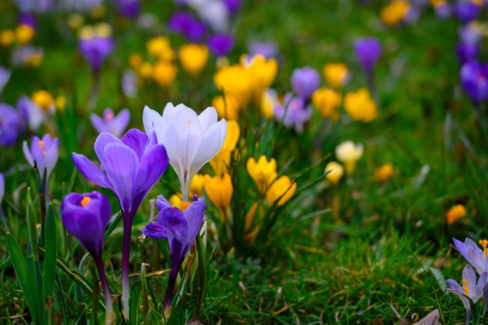
Crocuses come in gorgeous shades of yellow, white, orange, and purple—some even have multi-colored petals! For a home garden, I really love:
- Golden Crocus (*Crocus flavus*)
- Woodland Crocus (*Crocus tommasinianus*) – often called the “Tommie”
- Spring Crocus (*Crocus vernus ssp. vernus*) – great for naturalizing
A Note for Pet Owners
If you’re planting crocuses, keep a close eye on your furry friends. These bulbs are toxic to dogs and cats. While most pets instinctively avoid them, it’s better not to take the risk of letting them play unsupervised near the blooms. If you’re worried, daffodils are another beautiful, low-maintenance spring option to consider!