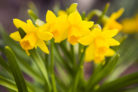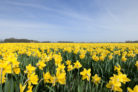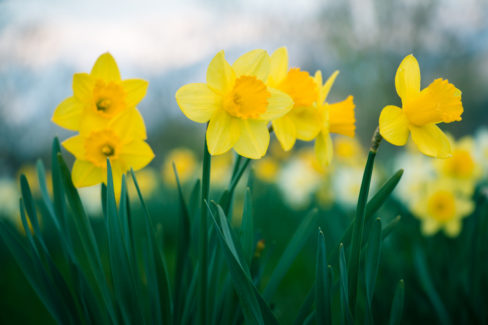
The bright yellow daffodil is a true spring icon, often called the “Lent Lily” because it bursts into bloom right around the Easter season from March to April. These cheerful flowers are a favorite sign that warmer weather is on the way, and they’re a fantastic addition to any home garden.
Quick Facts: Everything You Need to Know
Here’s a handy breakdown of the essentials for growing these beauties:
- The classic daffodil belongs to the Narcissus family, specifically known by its botanical name, *Narcissus pseudonarcissus*.
- These flowers are native to both Central Europe and North Africa.
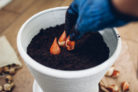
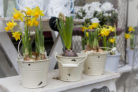
- They are incredibly versatile! You’ll see them most often as cut flowers in vases or as perennial bulbs in garden beds, but they also do great in pots and containers.
- To keep them happy, plant them in a sunny, warm spot with loose, nutrient-rich soil that has plenty of organic matter.
- Expect them to reach a height of about 14 to 16 inches.
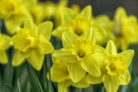
- Those iconic bright yellow blooms typically show up during the spring season between March and April.
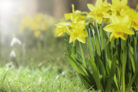
- Each flower features a trumpet-shaped center surrounded by six petals, all sitting atop a sturdy green stem.
- The foliage consists of four to six long, strap-like green leaves with slightly rounded tips.
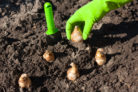
- Good news for cold-climate gardeners: daffodils are hardy! You can leave the bulbs in the ground all winter long, and they’ll pop back up to greet you every spring.
- They multiply easily on their own, either by producing “daughter” bulbs or through self-seeding.
A Word of Caution: Daffodils are Toxic
While they’re beautiful to look at, keep in mind that daffodils are poisonous. The bulbs contain the highest concentration of toxins. Ingesting them can cause serious issues like nausea, vomiting, stomach cramps, and heart rhythm problems—and in extreme cases, it can even be fatal.
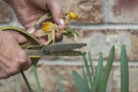
Always keep bulbs out of reach of small children and curious pets. It’s also a good idea to wash your hands thoroughly after cutting the stems, as the sap can cause skin irritation or “daffodil itch.”
Respect the Wildflowers
If you spot wild daffodils growing in forests or meadows, leave them be! In many areas, wild daffodils are protected by law. This means you aren’t allowed to dig them up or even cut them for a bouquet. If you want a sunny arrangement for your kitchen table, stick to the ones you’ve grown in your own backyard!