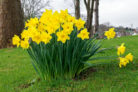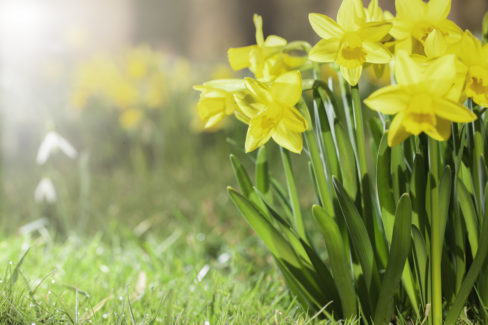
Is there anything better than that first burst of spring after a long, gray winter? For me, it’s not officially spring until I see those cheerful yellow, orange, and white trumpet-shaped daffodils popping up in the garden. The best part is that these beauties are perennials, meaning they’re designed to come back year after year. However, if you want them to keep putting on a show, they do need a little bit of TLC from us.
Are They Really Perennials? Yes—With a Little Help!
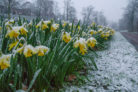
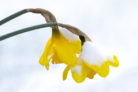
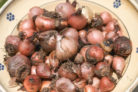
Technically, daffodils are built to last. Their bulbs act like a tiny underground storage unit, packing away all the nutrients they need to survive the winter. This makes them pretty tough when it comes to frost; they’re perfectly happy staying in the ground while it’s cold. But to make sure they have enough energy to bloom again next season, you’ve got to treat them right during their growing phase.
Why Some Daffodils Don’t Come Back
It’s pretty rare for a daffodil to just disappear, but if yours didn’t show up this year, it’s usually due to a common gardening hiccup. Here are a few things to check:
- Crowding: They’re fighting with neighboring plants for space.
- Planting Depth: The bulb wasn’t tucked deep enough into the soil.
- Storage Issues: If you dug them up, the bulbs might have dried out from improper storage.
- Early Pruning: You cut the green leaves off too soon after the flowers faded (this is a big one!).
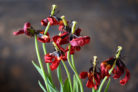
- Hungry Plants: They ran out of nutrients (especially common for potted daffodils).
Your Quick Care Guide
To keep your daffodils returning for years to come, just follow these simple steps.
Finding the Perfect Spot
Daffodils are happiest in full sun to partial shade. They love soil that is moist and loamy but—and this is key—it must drain well. They hate “wet feet,” so make sure water doesn’t pool around them. Also, give them a little breathing room; they don’t like competing too much with aggressive neighbors.
Watering Wisdom
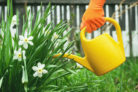
When they aren’t actively growing, you don’t need to worry much about watering, especially if your soil holds moisture well. However, once they start waking up and growing, they get a lot thirstier. During the summer, make sure the soil around the bulb doesn’t bone-dry. A nice layer of mulch is a great trick to keep that moisture in. Pro tip: Use soft water (like rainwater) if you can!
Feeding Your Flowers
If you’re growing daffodils in pots, they definitely need some extra snacks. I recommend fertilizing about a month before they bloom and again a month after. If they’re in the ground, a good layer of organic compost is usually all the “food” they need.
Dividing and Conquering
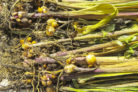
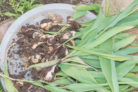
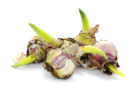
Every three to four years, it’s a good idea to dig up your bulbs and separate the “babies” (bulblets). If too many bulbs are bunched together, they’ll start competing for nutrients, and your blooms will suffer.
Winter Protection
While garden daffodils are hardy, potted ones are a bit more sensitive to the freeze-thaw cycle. To keep them safe, move your containers into a cool basement or a frost-free garage for the winter.