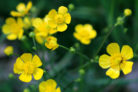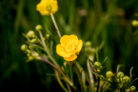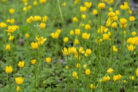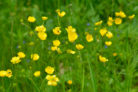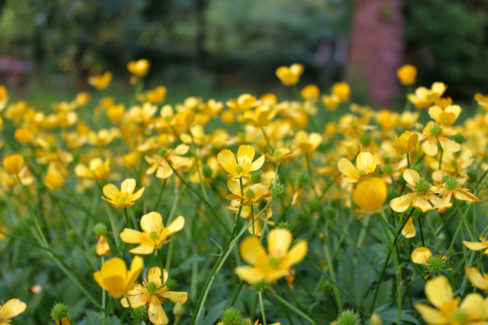
Many folks write off the buttercup as just another pesky weed, but there’s actually a lot to love about this little plant! If you take a closer look, you’ll find that buttercups have some pretty cool qualities that might just earn them a spot in your garden. Whether you’re looking to embrace the wild look or just want to know what’s popping up in your yard, this guide covers everything from care tips to the best varieties for your flower beds.
The Basics
Names and Synonyms
- Common Name: Tall Buttercup (or Meadow Buttercup)
- Botanical Name: Ranunculus acris
- Also known as: Butter-flower, Crowfoot
Classification
- Plant Family: Ranunculaceae (Buttercup family)
- Plant Type: Herbaceous perennial
Where it Grows
- Damp meadows
- Open fields and pastures
- Propagation: Spreads primarily through seeds
Pro Tip: Buttercups are famous (or infamous!) for how quickly they spread on their own. That’s why some gardeners aren’t big fans. If you want to keep them in check, just grab your lawnmower and trim them back before they bloom—this stops the seeds from ever forming.
Bloom Time
- May through September
Is it Winter Hardy?
- Absolutely. These guys are tough and can handle a hard frost without a problem.
Is it Toxic?
- Yes, keep in mind that all parts of the plant are poisonous if ingested.
Appearance
Growth Habit
- Low-growing and herbaceous
The Flowers
- Size: Up to about 3/4 of an inch in diameter
- Color: Bright, golden yellow
- Petals: 5 shiny petals
- Gender: Hermaphroditic (contains both male and female parts)
- Fruit: Small, dry nutlets (achenes)
Pro Tip: The name “Buttercup” comes from those glossy, vibrant yellow petals that look just like a pat of fresh butter. But don’t let the name fool you—never try to taste them! They don’t taste like butter, and as mentioned, they’re toxic.
Care and Maintenance
Choosing a Spot
- Full sun to partial shade
- Works great in flower beds
- Can even be grown in containers or pots
Soil Preferences
- Prefers loamy soil
- Likes to stay moist; avoid bone-dry spots
Water and Nutrients
- No fertilizer needed; it thrives in low-nutrient soil
- Only needs watering during those extra crispy, hot summer stretches
Pro Tip: In naturally damp soil, the buttercup is a total pro at taking care of itself. It much prefers “wet feet” over being too dry, so it’s a great choice for those spots in the yard that stay a little soggy.
Special Varieties
Even though the wild version can be a bit aggressive, there are cultivated varieties that play much nicer in the garden. One of my favorites is “Multiplex.”
The “Multiplex” Variety
- Features gorgeous, double golden-yellow blooms
- Blooms from April to June
- Won’t take over your yard (it doesn’t self-seed!)
- Propagated by simply dividing the root ball
Pro Tip: These cultivated garden varieties won’t spread uncontrollably because their seeds are sterile. You get all the beauty without the “weed” behavior!