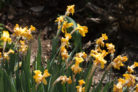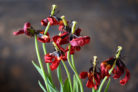
When the leaves start drooping and those bright petals turn crispy, your daffodils definitely aren’t winning any beauty pageants. But don’t worry—a savvy gardener knows that a little strategic pruning now is the secret to a spectacular comeback next spring. The big question is: when exactly should you grab the shears? Here’s everything you need to know about deadheading and cutting back your daffodils.
Why bother with pruning?
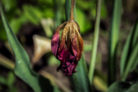
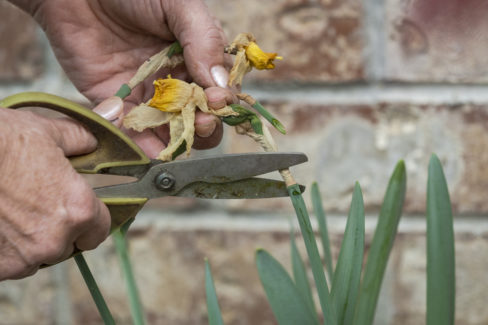
Once a daffodil finishes blooming, it shifts its focus to producing seeds. This process is a massive energy drain for the plant. If you’d rather have a vibrant, healthy flower next year instead of trying to grow new ones from scratch via seeds, you should save the plant the effort. By snipping off the spent bloom, you stop seed production in its tracks, allowing the plant to redirect all that energy back down into the bulb.
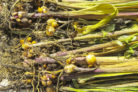
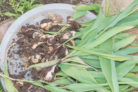
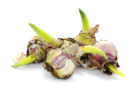
Tip: You can still expand your garden without the seeds! When you dig up your daffodils, you’ll often find “offset” bulbs (baby bulbs) attached to the main one. Just separate them and plant them elsewhere in your garden or in a pot. It’s actually way easier and more reliable than starting from seed anyway.
Don’t be too quick with the scissors
While it’s tempting to tidy up the garden immediately, cutting back the entire plant too early is a major rookie mistake. For now, only remove the flower head and the stalk. The green leaves must stay exactly where they are for a few more weeks. Think of the foliage as a solar panel—it’s busy gathering nutrients and storing energy in the bulb for next season. Wait until the leaves have turned completely yellow and limp before cutting the plant down to just above ground level.
Tip: If the sight of floppy, yellowing leaves drives you crazy, you can tidy things up a bit by loosely gathering the leaves and tying them together to keep them upright.
Why the leaves and flowers matter
- They act as a nutrient warehouse for the bulb.
- Color changes (turning yellow) are your “green light” signal that it’s safe to prune.
- They provide a bit of natural protection against pests in the flower bed.
- They allow for self-propagation through seed pods (if left alone).
Tip: Give your daffodils a little snack! A bit of fertilizer right after the flowers fade will help refill the bulb’s energy reserves, ensuring you get those gorgeous blooms again next year.