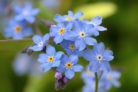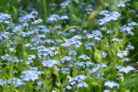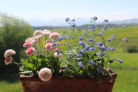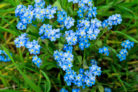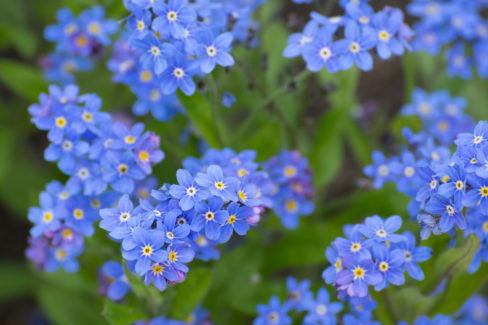
You’ll spot this spring favorite in just about every backyard or front garden, tucked into window boxes, or brightening up patio containers in colorful clusters. If you’re looking to get to know this charming little flower better, here’s a quick breakdown of everything that makes the Forget-Me-Not so special.
Forget-Me-Nots: At a Glance
Long known as a symbol of loyalty and bittersweet goodbyes between lovers, this flower has been a beloved wild plant for centuries and was even used as a medicinal herb back in the day. Since the 1800s, gardeners have been breeding woodland and marsh varieties into the beautiful ornamental plants we love today. Just a heads-up: while they thrive outdoors, Forget-Me-Nots don’t really work as houseplants.
- Botanical Name: *Myosotis*
- Family: Boraginaceae (the Borage or “rough-leaf” family)
- Native To: Europe, Asia, Africa, and North America
- Variety: There are about 50 species worldwide, with 41 found in Europe alone
- Size: Usually stays between 4 to 8 inches tall, though some wild species can reach up to 30 inches
- Life Cycle: Can be grown as an annual, biennial, or perennial depending on the variety
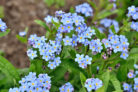
- Foliage: Features green, fuzzy, textured leaves
- Flowers: Tiny, delicate blooms with bell-shaped or funnel-shaped sepals
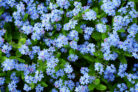
- Colors: Classic sky blue is the most common, but you’ll also find them in white, pink, and occasionally yellow
- Bloom Time: Depending on the species, they’ll show off their colors anywhere from April through September
- Propagation: They are champion self-seeders, but you can also propagate them via root division or cuttings
- Hardiness: They are quite winter-hardy, though young starts appreciate a little light protection during their first frost
- Safety: Non-toxic; you’d have to eat a massive amount to feel any ill effects
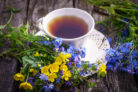
- Fun Fact: The flowers are actually edible and make a gorgeous garnish for salads or desserts!
How to Grow Them
Forget-Me-Nots are super versatile—they’re just as happy in a garden bed as they are in a balcony planter or a patio pot. For the best results, aim for a spot with partial to full shade and keep the soil consistently moist. They aren’t big fans of harsh, direct afternoon sun or “wet feet” (standing water).
If you’re looking for a low-maintenance option for a pond edge, the Water Forget-Me-Not (*Myosotis scorpioides*) is your best bet. Unlike its cousins, this variety can handle more sun as long as it has plenty of water. Just make sure the soil is well-draining; even though it loves marshy spots, it still needs some oxygen around the roots.
When planting in pots or containers, give them enough elbow room to spread out and use a nutrient-rich, well-draining potting mix. Keep the soil damp to the touch and find a nice shady nook for the container to sit in, and they’ll be happy campers all season long!