At first glance, the names “Mirabelle” and “Marille” sound almost like twins, and the fruits themselves definitely share a family resemblance. However, don’t let that fool you—they are actually two distinct fruits! If you’ve ever wondered how to tell these two apart in the orchard, you’ve come to the right place.
Quick Look: The Main Differences
- The Name
- The Flavor Profile
- The Texture of the Skin
- The Bloom Time
What’s in a Name?
While they sound similar, the names have totally different origins. “Marille” is actually the word used in Austria for what we call an apricot here in the States (and in Germany). On the other hand, the name “Mirabelle” comes from the Latin word *mirabilis*, which translates to “wonderful” or “amazing.” Pretty fitting for such a tasty little fruit, right?
The Taste Test
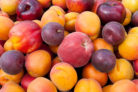
If you ever get the chance to do a side-by-side tasting, the difference is pretty obvious. Mirabelles (a type of cherry plum) are incredibly sweet, sometimes with just a tiny hint of tartness. Apricots (Marillen), however, have a distinct, slightly almond-like aroma. A perfectly ripe apricot is sweet and floral, but be careful—if they aren’t fully ripe, they can taste a bit bland.
Feel the Fruit
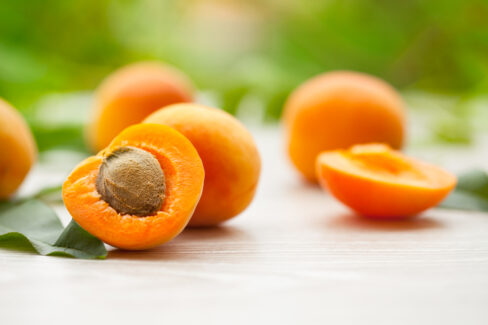
The easiest way to tell them apart is simply to pick them up. The skin texture is a dead giveaway! Mirabelles have a smooth, waxy skin, much like a standard plum. Apricots have that signature velvety, slightly fuzzy skin that feels soft to the touch.
The Flowers Tell a Story
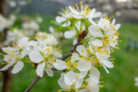
If you’re watching them grow in the garden, timing is everything. Apricots are early birds, usually blooming in March. Meanwhile, the Mirabelle’s blooming season doesn’t typically start until April. You can also spot the difference in the blossoms themselves. While both are a stunning bright white, apricot flowers often develop deep red accents in the center as they mature.
What Do They Have in Common?
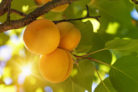
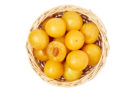
Of course, they aren’t total strangers. Both fruits are round, usually growing between one and two inches in size, and they both sport a beautiful yellow color often dappled with red spots. They also belong to the same genus, *Prunus*, which means they are both members of the rose family and are cousins to the common plum.