If you want your apricot tree to produce those juicy, sun-ripened fruits we all love, you’ve got to get comfortable with your pruning shears. Regular pruning is the secret sauce to helping your tree develop plenty of flower buds and, eventually, a bumper crop of fruit. Here’s everything you need to know about thinning out your apricot trees like a pro!
Pruning for a Healthier Harvest
Like most fruit trees, apricots are real sun-seekers. They need tons of light, warmth, and good airflow to fuel the massive amount of energy it takes to grow those gorgeous fruits. That’s why regular pruning is so important—it ensures the blossoms, leaves, and fruit all get the nutrients and sunlight they need to thrive.
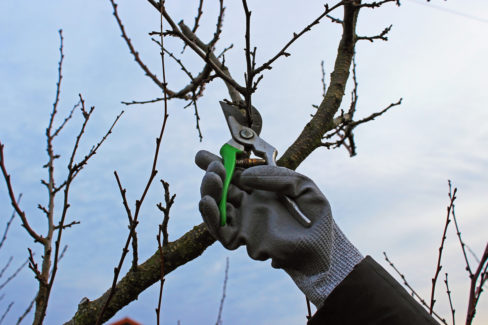
To get a heavy harvest between July and September, think of your job more as “thinning out” rather than just “chopping back.” You want to open the tree up. Always make your cuts at a slight angle, and here’s a pro tip: make sure your pruning shears are sharp and disinfected before you start. This prevents crushing the branches and keeps the tree healthy.
How to Thin Out Your Apricot Tree
When you’re thinning out your tree, always cut just above a bud that is facing outward. Aim to shape the canopy like a pitched roof, keeping your cuts at roughly a 45-degree angle. While you’re at it, make sure to clear out these specific troublemakers:
- Any shoots growing inward toward the center of the tree
- Dead wood
- “Water sprouts” (those thin branches that shoot straight up vertically)
- Damaged branches (like those nibbled on by local wildlife)
- “Suckers” or broom-like growth near the base of the trunk
If you end up with a pruning wound larger than a quarter, it’s a good idea to seal it with some tree resin or wound dressing. This helps prevent diseases from moving in while the tree heals.
When is the Best Time to Prune?
Apricot trees do best with a regular schedule, usually either a summer or winter prune. Summer pruning happens right after the harvest, typically between August and October. If an early frost catches you off guard and you miss that window, don’t worry! You can do a winter prune in March or April instead. Just make sure you pick a day when there’s no frost in the forecast.