If you’ve got a mirabelle plum tree in your backyard, keeping an eye on its blooming schedule is a total game-changer. Not only is it a gorgeous sight, but right after the blossoms fade is actually the perfect time to prune your tree. Plus, knowing what the flowers look like helps you spot these trees while you’re out for a walk—and trust me, you’ll want to find them so you can whip up some candied petals or a soothing herbal tea.
Quick Facts: The Mirabelle Bloom
- Mirabelles are part of the Rose family (Rosaceae).
- They’re often nicknamed “yellow plums.”
- Bloom time usually runs from April through May.
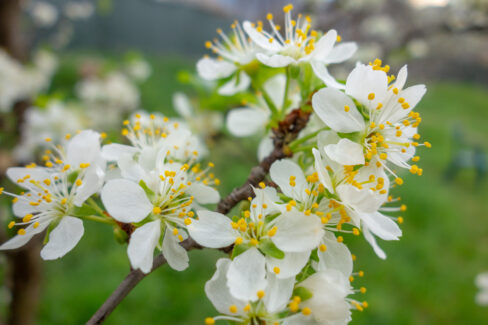
- The flowers grow in fluffy white clusters.
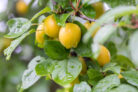
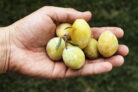
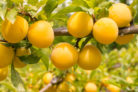
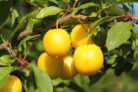
- These blossoms eventually turn into cherry-sized, golden-yellow round fruits.
Pruning After the Bloom
Mirabelle blooming season typically kicks off in early April and can last through the end of May. Of course, Mother Nature is in charge here—depending on your local weather and region, they might pop a little earlier or stick around a bit longer.
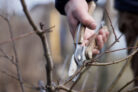
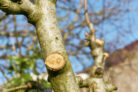
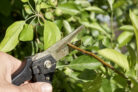
The best time to give your tree a maintenance trim is right after the flowers drop. By pruning then, you’re clearing out unnecessary branches and opening up the canopy. This lets the sunlight hit the developing fruit, helping them ripen into those sweet, sun-kissed plums we love.
How to Spot Mirabelle Blossoms
If you’re out foraging or exploring in the spring, you can identify wild mirabelle trees by their distinct flowers. They grow in pretty little clusters of two or three blossoms. Each individual flower is bright white, featuring five delicate petals and a classic umbrella-like shape (known as an umbel).
Ways to Use the Flowers
Don’t just look at them—use them! You can harvest the blossoms and dry the petals to make a delicious, floral tea. If you’re feeling a bit more adventurous in the kitchen, try candying the flowers for a sweet, elegant treat.