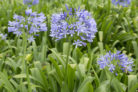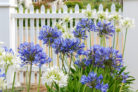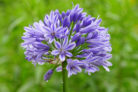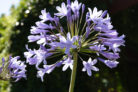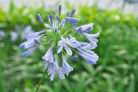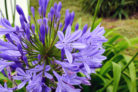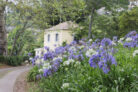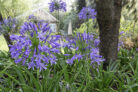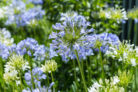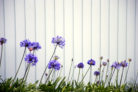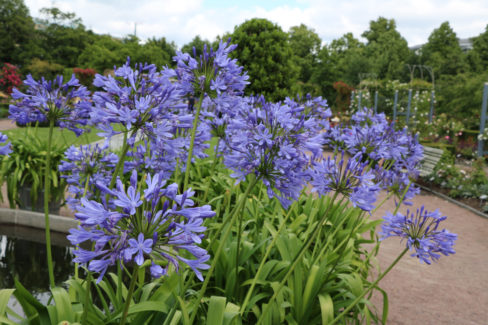
With its stunning clusters of blue flowers, the Agapanthus—often called the Lily of the Nile—definitely lives up to its name. If you pick the right spot for this beauty, you’ll be rewarded with a spectacular show all through the warmer months. Here’s the lowdown on how to choose the perfect home for your plants.
What Your Agapanthus Craves
As the name “Lily of the Nile” suggests, these plants originally hail from southern Africa. When you’re scouting out a spot in your yard, keep those sunny roots in mind. While they *can* survive in partial shade, you really want to plant them in full sun if possible. Trust me, the more sun they get, the more impressive those flower heads will be!
Here’s what your ideal checklist looks like:
- Plenty of sunshine
- Moderate moisture
- The right nutrient boost
When it comes to soil, aim for something dry to moderately moist. This applies whether you’re planting them in containers or directly in your garden beds. The one thing Agapanthus won’t forgive? Soggy feet. They absolutely hate standing water, which can quickly lead to root and bulb rot.
Keeping Your Plants Fed
If your soil isn’t naturally rich in nutrients, don’t worry—you can still grow gorgeous lilies. You’ll just need to make sure you fertilize them regularly. A good compost or a quality liquid fertilizer works wonders. Once spring hits, give them a feed once a month throughout the growing season. As soon as summer winds down, you can stop fertilizing and let the plant rest.
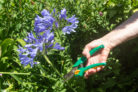
Pro tip: You can deadhead spent blooms to encourage the plant to keep pushing out new flowers. This is a great way to extend that sea of blue even longer! Just keep in mind that if you cut off the old flowers, the plant won’t produce seeds. If you’re looking to harvest seeds for next year, leave a few of those flower heads alone.