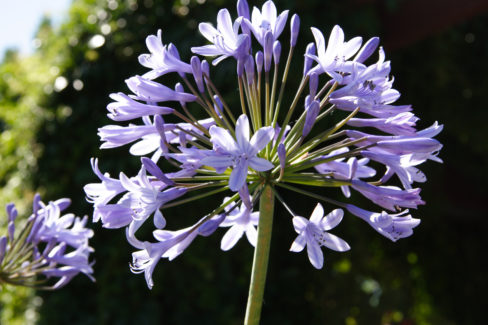
Originally from South Africa, the Lily of the Nile (Agapanthus) is used to much milder weather than our chilly North American winters. But don’t worry! With a little know-how, you can help these beauties survive the cold and come back stronger than ever next season.
Getting Your Lily of the Nile Through the Winter
First things first: you need to know which type of Agapanthus you have. There are two main varieties. The evergreen types keep their green leaves all year round, but they aren’t hardy at all. These guys need to be moved indoors to a spot that stays between 32°F and 45°F. Anything below freezing will likely spell disaster for them.
On the other hand, deciduous varieties—the ones that lose their leaves in the fall—are much tougher. Since the plant retreats underground for dormancy, it can handle temperatures as low as 5°F. Before the first frost hits, you should prune your lilies by cutting them back just above the soil line. Even though they’re hardy, if your winters get brutally cold, it’s always safer to bring them inside just to be sure they make it through.
The ideal winter home for your plants should be:
- Bright with plenty of natural light
- Consistently cool (ideally under 45°F)
- Dry and well-ventilated
Winter Care Tips
Even though they’re resting, you’ll still need to water your plants occasionally. Just be careful not to overdo it—you want the soil to stay on the drier side, not soggy. If you keep them in a spot that’s too warm, it can mess with their natural growth cycle. You might notice the leaves turning yellow, and more importantly, the plant might skip its “chilling period.” Without that cold snap, you’ll see way fewer blooms come springtime.
So, if you want those stunning flower clusters next year, keep them cool! Also, hold off on the fertilizer during the winter months. Wait until spring to start feeding them again, about once a month, to give them the nutrients they need to kickstart their growth.