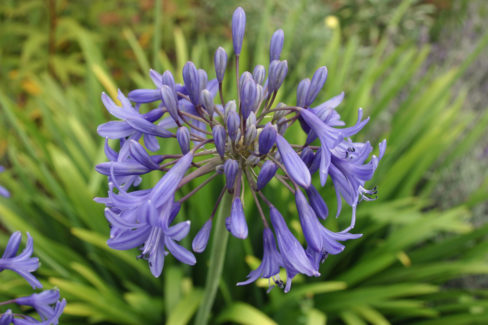
Often called the African Lily, the Agapanthus is a total favorite for gardeners looking to add some flair to their patios. Since these beauties aren’t exactly fans of a freezing winter, most of us grow them in pots so we can tuck them away when the temperature drops. But here’s the thing: whether or not you need to grab your shears depends entirely on which variety you have.
What to Keep in Mind for Winter Dormancy
Agapanthus generally fall into two camps. Some are evergreen (staying green all year), while others are deciduous, meaning they pull all their energy back into their roots for a winter nap. If yours is the deciduous type, you’ll notice the leaves turning yellow and wilting. You can help the plant along its natural cycle by pruning it back. Here’s the lowdown on how to handle it.
If you have the deciduous variety, go ahead and remove those yellowed leaves completely as you prep for winter. This does two things: first, it helps the plant focus all its energy on the bulbs. Second, it prevents rot or mold from setting in. Once you’ve trimmed it back close to the soil line, your potted Agapanthus is ready to move to its winter home.
Your ideal winter storage spot should be:
- Bright with plenty of sunlight
- Dry and well-ventilated
- Chilly, but not freezing (ideally between 32°F and 45°F)
How to Overwinter Your African Lily
One of the biggest mistakes you can make is keeping your Agapanthus in a room that’s too warm. These plants actually *need* a cold snap to reset their internal clock. If you overwinter them in a heated space, you’ll likely see way fewer blooms come springtime.
When it comes to maintenance, less is more. Water very sparingly—just enough so the soil doesn’t bone-dry—and skip the fertilizer entirely during the winter. Wait until spring when you see new growth starting to fertilize the plant again. Once the growing season kicks off, treat them to a dose of organic or liquid fertilizer once a month, and they’ll be ready to put on a show!