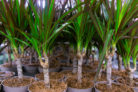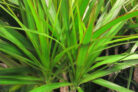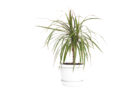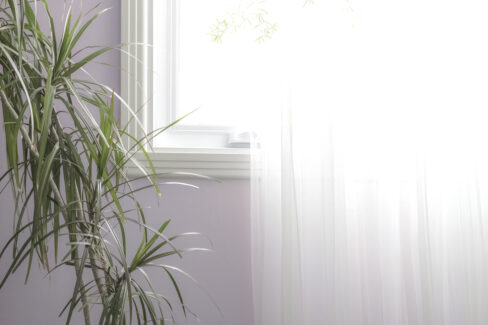
The Dragon Tree (Dracaena) is a total fan favorite because it’s so easygoing. But if you’re a plant parent wondering if this leafy friend can handle a chill, you’re not alone! I get asked about its winter hardiness all the time. Let’s dive into everything you need to know to keep your Dracaena happy when the temperature drops.
What Makes a Dragon Tree Happy?
Before we talk about the cold, let’s look at what the Dragon Tree needs to really thrive. If you can check these boxes, your plant will be living its best life:
- Consistent temperatures (no roller coaster rides!)
- Protection from chilly drafts
- Decent humidity levels
- A bright spot that’s safe from harsh, direct sunlight.
Nail these basics, and you’ll watch your Dragon Tree grow like crazy.
Finding the “Goldilocks” Temperature
Since Dragon Trees originally come from tropical and subtropical climates, they love mild warmth. Ideally, you want to keep them between 65°F and 77°F. Some varieties, like the Canary Island Dragon Tree, are a bit tougher and can handle dips down to about 50°F, but they still prefer to stay cozy.
Is It Winter-Hardy?
The short answer? A big, fat “no.” Your Dragon Tree definitely won’t survive a winter outdoors in most US climates. While it’s totally fine to let your plant soak up some sun on the balcony or patio during the summer, you’ve got to bring it inside by late summer or early fall. Keep an eye on those nighttime lows—even if the days are warm, a single chilly night can do some damage. It’s always better to bring it in a week too early than a day too late!
Springing Back After Winter
Once the frost is gone and spring is in the air, your Dragon Tree will love getting some fresh air on the balcony again. Just don’t rush it! After spending months indoors, your plant needs to get used to the outdoor light again. Don’t just plop it in the sun on the first warm day; move it outside gradually so the leaves don’t get scorched.
The Bottom Line: Not Cold-Hardy, But Still Low-Maintenance
At the end of the day, the Dragon Tree just isn’t built for freezing temperatures—it’s a far cry from its sunny origins in places like the Canary Islands. But don’t let that stop you! It’s still a fantastic, easy-to-care-for plant that brings those exotic, vacation vibes right into your living room all year round.