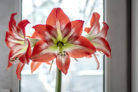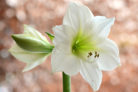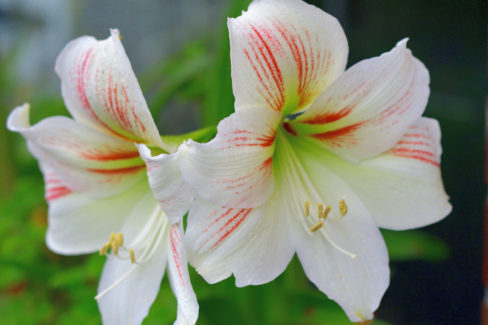
The Amaryllis family treats us to some of the most stunning blooms in the plant world. But here’s the thing: not all Amaryllis are created equal! They don’t just look different; they also have very different comfort levels when it comes to the cold. While the popular Hippeastrum (often called Amaryllis) brightens up our windowsills during the winter, the delicate Hardy Amaryllis is a star of the summer garden. If you want to keep these beauties happy, you need to know their winter limits. Here’s the lowdown on how to handle the cold.
Keeping Your Indoor Amaryllis (Hippeastrum) Happy All Winter
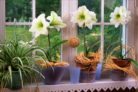
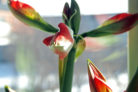
We all love the Hippeastrum for its massive, vibrant blooms. Because these plants hail from subtropical regions, they are total “warm weather” fans and can’t handle frost at all. That’s why they’ve become such a staple indoor plant, especially with that gorgeous bloom time right around the holidays. To make sure yours comes back year after year, follow these steps:
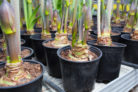
- From September to early November, give your Amaryllis a nap. Move it to a dark, cool spot like a basement. They’re happiest when temperatures stay between 43°F and 50°F (6-10°C).
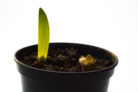
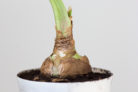
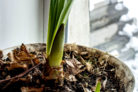
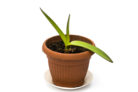
- In early November, wake your plant up! Take it out of storage and repot it into fresh soil. A mix of standard potting soil and cactus mix works wonders.
- Move the pot to a bright, sunny spot where the temperature is around 68°F (20°C).
- Once you see the first buds peeking out, start watering moderately from the bottom.
- Keep up with regular watering until the flowers finish blooming, usually around February.
- As soon as the first leaves start to grow, it’s time to fertilize every two weeks. A liquid fertilizer for flowering plants is your best bet here.
The Garden Amaryllis: Tougher, But Not Quite “Winter-Proof”
The Garden Amaryllis (Sprekelia or Crinum types) is definitely the rugged cousin of the family, but don’t let that fool you—it’s still not fully winter-hardy. It can only handle temperatures down to about 30°F (-1°C). To keep your summer favorites safe, you’ll need to take a few precautions before the big freeze:
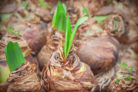
- Make sure to dig up the bulbs from your flower beds well before the first real frost hits.
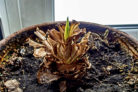
- Trim back any withered leaves using sharp garden shears. Be precise so you don’t damage the bulb itself.
- Gently brush off any excess dirt or debris.
- Lay the bulbs out on some newspaper and store them on an airy shelf in your basement.
- Pro tip: You can also store them in a box filled with dry sand to keep them cozy.
Come March or April, once the ground has thawed out, you can pull your bulbs out of storage and get them back into the garden soil for another beautiful summer season!