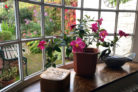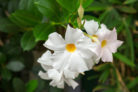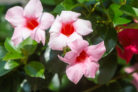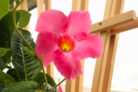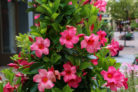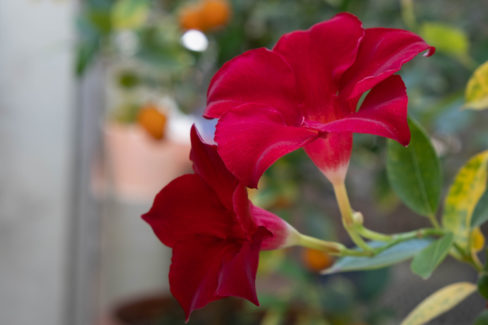
Dipladenia (also known as Mandevilla) is a total sun-seeker. It lives for light and warmth, which is why it’s the star of the show on our balconies and patios all summer long. But once fall rolls around, the days get shorter, and that golden sunlight starts to fade, things can get a little tricky for these tropical beauties.
Mandevilla and the Cold
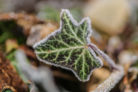
If there’s one thing Dipladenias hate, it’s a chill. They are super sensitive as soon as the temperature drops out of the double digits. Once the thermometer hits about 46°F (8°C), you’ve reached the absolute limit of what they can tolerate. If things dip down to the freezing point, it’s “game over” for your Mandevilla, and you’re looking at a plant that has succumbed to frost.
Mandevilla and Winter
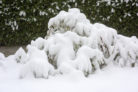
Because they’re such heat-lovers, leaving a Dipladenia outside during a typical winter just isn’t an option if you want to see it bloom again next year. And don’t be tempted to just wrap it in some garden fleece and leave it on the balcony—that usually isn’t enough to protect these delicate tropicals from a real cold snap.
Moving Your Mandevilla Indoors
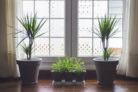
The only foolproof way to get your Dipladenia through the winter is to find it a cozy indoor spot that is:
- Frost-free
- Bright and sunny
However, you don’t want it *too* warm. If the room is toasty all winter, it can actually mess with the plant’s ability to produce flowers next season. The “sweet spot” is a constant temperature between 50°F and 60°F (10°C to 15°C), away from any icy drafts. Also, keep an eye on the floor temperature—Dipladenias hate getting “cold feet” during their winter nap, so keeping the pot off a cold stone floor is a smart move.
Is Chilean Jasmine the Exception?
You might have heard that Chilean Jasmine (botanical name *Mandevilla laxa*) is the hardy exception to the rule. But take that with a grain of salt! While it is tougher than its cousins, it’s really only “hardy” in very specific climates (think mild coastal areas) and usually only when planted directly in the ground. Even then, it can only handle a brief dip down to about 23°F (-5°C).
People often use that “magic number” to argue that this specific variety can stay on the balcony all winter if it’s wrapped up well. Just keep in mind that those ratings usually apply to established shrubs in the ground, and they refer to temporary temperature spikes, not a long, frozen winter.