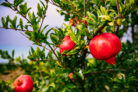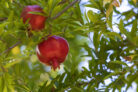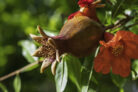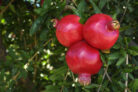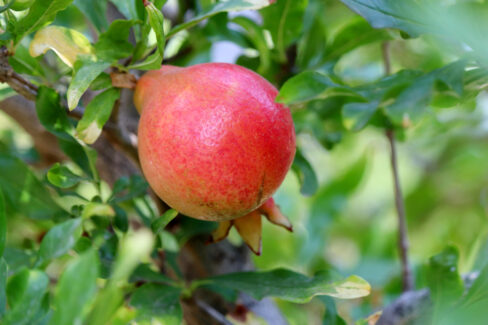
Pomegranates naturally love warm weather, but they aren’t total strangers to a little chill. While a pomegranate tree can handle a quick dip into freezing temperatures, it won’t survive a long, cold snap. To keep your tree happy, it’s best to overwinter it somewhere frost-free.
Getting Ready for Winter
If you’ve got young plants that you’ve grown from cuttings or seeds, you’ll want to get them indoors early. Once the thermometer starts hitting 50°F (10°C), it’s time to move those babies to a protected spot.
With older, established trees, you have a bit more breathing room. Pomegranates are deciduous, meaning they drop their leaves in the fall. Once most of the leaves have fallen, it’s time to move the tree to its winter home. Before you do, give it a quick “clean up” by removing any dead branches. Also, make sure to clear out any fallen leaves sitting on top of the soil—pests love to hide under there and hitch a ride inside!
Choosing the Right Winter Spot
Since pomegranates don’t need to stay toasty warm all winter, you have plenty of options for where to keep them.
Great winter locations include:
- An unheated greenhouse
- A bright stairwell
- An unheated sunroom or conservatory
- A bright garage
Even though your tree will be leafless, don’t stick it in a pitch-black basement. While it doesn’t need a ton of light while dormant, it’s easy to miss the exact moment it starts waking up in the spring. If it starts growing in the dark, you’ll end up with “leggy” new growth—long, weak shoots that usually just shrivel up and die. A bright spot ensures those new spring shoots grow in strong.
Winter Care Tips
The good news? Pomegranates are super low-maintenance during their winter nap. You can skip the fertilizer entirely, and you only need to water very sparingly. It’s actually perfectly fine if the soil dries out almost completely during the winter months.
The one thing you *should* keep an eye on is pests—specifically mealybugs and scale insects. Scale can be especially tricky on exotic trees because they are flat, still, and often blend right in with the color of the bark.
If you spot scale, don’t panic! If there are just a few, you can gently scrape them off with a wooden stick (just be careful not to nick the bark). If you’re dealing with a bigger infestation, a neem oil or canola oil-based spray usually does the trick.