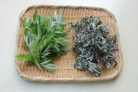
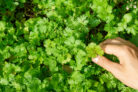
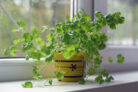
In the heat of summer, basil usually grows like crazy. If you find yourself with a massive herb surplus and don’t know what to do with it all, drying the leaves is a fantastic way to preserve that summer flavor for the colder months. Here’s everything you need to know to get it right.
Harvesting the Right Way
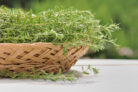
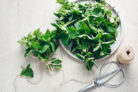
Before you start drying, you need to harvest correctly. A common mistake is plucking individual leaves off the stems. Don’t do that! It actually encourages the plant to get leggy and start flowering , which changes the flavor. Instead, use a knife or your fingers to snip off entire sprigs. This encourages the plant to branch out from the leaf axils, leading to a bushier plant and even more leaves down the road.
How to Dry Your Basil
You’ve got three main options when it comes to drying your harvest:
- Hanging them in bunches
- Air-drying on a tray
- Using a dehydrator
Hanging in Bunches
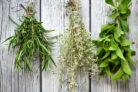
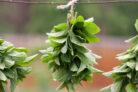
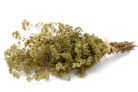
For this method, harvest stems that are at least 4 inches long. Strip the leaves off the bottom inch or so of the stem, then gather 8 to 10 stems together and secure them with a rubber band or some twine. Hang your bundles in a warm, airy spot out of direct sunlight. If you hang them outside under a porch, make sure to bring them in at night so the evening dew doesn’t make them soggy. Inside, pick a dry room—avoid the kitchen or bathroom, as the steam from cooking and showering adds too much humidity.
Drying on a Tray
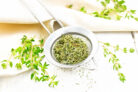
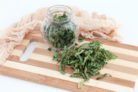
If you prefer this method, go ahead and pluck the leaves off the stems right after harvesting. Lay out a clean kitchen towel on a baking sheet and spread the leaves out in a single layer so they aren’t overlapping. Place the tray in a warm, shady spot. If you’re in a hurry and want to use your oven, keep the temperature below 100°F (40°C). Any hotter and you’ll lose those precious essential oils and flavor. Pro tip: Prop the oven door open slightly with a wooden spoon to let the moisture escape.
Using a Dehydrator
If you own a food dehydrator, this is really the gold standard. Again, harvest the stems and pluck the leaves before starting. Spread them out evenly and loosely on the trays. Just follow your specific dehydrator’s manual for the best herb settings.
Timing is Everything
The golden rule of drying herbs: the faster it happens, the better the flavor. Try to harvest your basil when the forecast calls for warm, dry weather. A quick drying process locks in the best taste, which is why dehydrators and ovens often yield the best results. If you’re air-drying, aim to have the process finished within 5 to 7 days.
When is it Done?
To check if your basil is fully dry, take a leaf and rub it between your fingers. It should sound like rustling paper—crinkly and crisp—and it should crumble easily. If you aren’t 100% sure, it’s a good idea to pop the leaves in the oven at 100°F for about 10 minutes just to be safe. This ensures there’s no lingering moisture that could cause mold later.
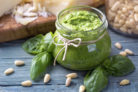
Quick Tip: Drying isn’t the only way to save your harvest! You can also try freezing your basil or preserving it in oil by whipping up a fresh batch of pesto.