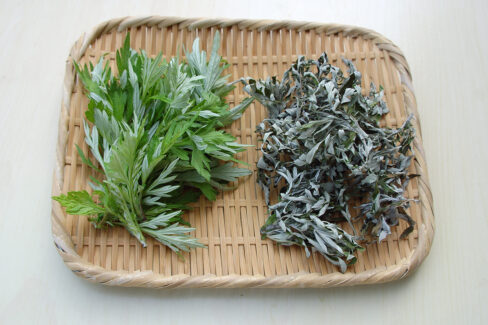
You can always spot a great cook by their commitment to fresh ingredients. But when it comes to mugwort, that “fresh-from-the-garden” window only lasts a few weeks out of the year. It would be a total shame to miss out on its bold, savory flavor the rest of the time, right? That’s why smart home cooks plan ahead and dry their harvest.
Start with High-Quality Herbs
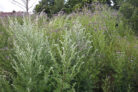
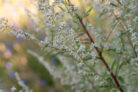
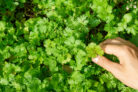
You can find this wild herb (scientifically known as *Artemisia vulgaris*) growing all over the place for most of the year—along roadsides, in empty lots, or even popping up in your own backyard. However, harvesting it shouldn’t be a random free-for-all. To make sure the aroma and flavor are at their peak, there are a few ground rules to follow:
- Harvest just before the blooming season begins.
- The sweet spot is usually between May and early July.
- Don’t wait too long! Once it flowers, the herb becomes way too bitter.
- Cut shoots about 12 inches (30 cm) long.
- Look for stems with plenty of leaves and closed buds.
Pro Tip:
Try to pick the cleanest stems you can find so you don’t have to wash them later. While water gets rid of dirt, it also washes away those precious essential oils we want to keep.
How to Air-Dry Mugwort
- Gently shake the stems to remove any dust or little critters.
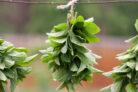
- Bundle a few stems together into small bouquets.
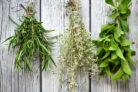
- Hang the bundles upside down to air-dry. Choose a spot that is dry and shady—keep them out of direct sunlight!
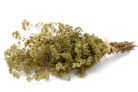
- After about 1 to 2 weeks, check to see if the herb is completely brittle.
- Strip the leaves, flower buds, and thin side-stems off the main woody stalk.
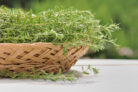
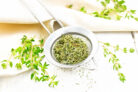
- Store your dried mugwort in an airtight container; amber glass jars are perfect for keeping light out.
Using a Dehydrator
Got a food dehydrator sitting on your counter? Put it to work! It’s much faster than air-drying and keeps your herbs from collecting dust. In just a few hours, your mugwort will be bone-dry. Just make sure to use the lowest temperature setting possible to preserve all those healthy compounds and flavors.
How to Use Your Dried Mugwort
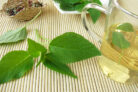
A little goes a long way with dried mugwort. It has a very punchy flavor, and since it can be toxic in very high doses, you’ll want to use it sparingly. It’s the perfect match for heavy, fatty dishes because it actually helps with digestion. You can also steep it into a tea or use it as an aromatic herb for smudging or incense.