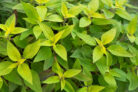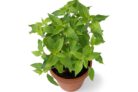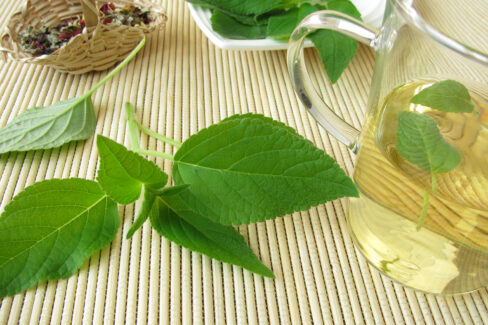
Pineapple sage is becoming a real superstar in edible gardens lately, right alongside other fruity herb varieties. Once this plant gets established and you give it a little TLC, you can expect a pretty impressive harvest. If you find yourself with more than you can use fresh, drying your pineapple sage is a great way to save that tropical goodness for later.
Harvesting Your Sage
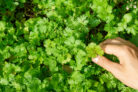
When you’re planning to dry pineapple sage, don’t head out too early in the morning while the dew is still on the leaves. It’s better to wait until the herb is completely dry. Ideally, pick a slightly overcast day and harvest around midday or early afternoon. For cooking, make sure you’re only clipping healthy, blemish-free stems.
If you’re drying the sage for floral arrangements or potpourri rather than eating, you don’t have to be quite as picky about a few spots on the leaves. In that case, harvesting on a sunny late afternoon is actually best—the nutrient content is a bit lower then, but so is the moisture level in the plant, which helps it dry faster.
The Drying Process
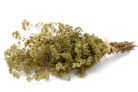
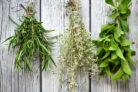
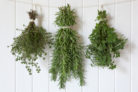
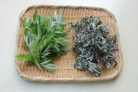
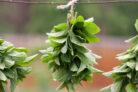
The easiest way to do this is to gather your cuttings into loose bundles and hang them upside down in a spot with plenty of airflow. If you’ve got a bumper crop, it’s better to make several small bundles rather than one giant one. Alternatively, you can lay individual stems out on a piece of paper towel to dry, though that’s really only practical if you’re doing a small batch.
Storage Tips
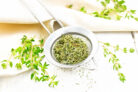
For sage you plan to use in the kitchen, keeping it dry, cool, and away from light is key. Once the leaves are crisp, they’ll pop right off the stems. Store them in an airtight container—dark glass jars with screw-on lids are perfect for this. Keep those jars in a dry pantry, because dried herbs can get moldy fast if any moisture creeps in.
How to Use It
You can use your dried pineapple sage just like the fresh stuff, though keep in mind that the flavor profile shifts a little during the drying process. If you find you aren’t a fan of the dried taste, don’t worry—there are other ways to preserve it!
Quick Highlights:
- Super easy to air dry.
- Methods: Air drying is standard, but silica gel works for crafts.
- Note: It does lose a bit of that punchy aroma when dried.
- Alternatives: Try freezing it or infusing it in oil.
- Usage: Use it just like fresh herbs in your recipes.
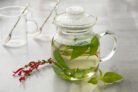
Pro Tip: Dried pineapple sage is fantastic in herbal tea blends. It tastes amazing when mixed with mint or lemon balm!