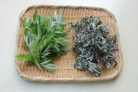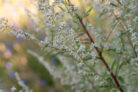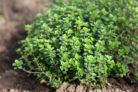
Mugwort (*Artemisia vulgaris*) is one of those herbs that doesn’t get nearly enough love in the kitchen. That’s a shame because it’s packed with incredible aromatic compounds! To make sure those flavors elevate your cooking rather than ruin it, timing is everything. The secret to a perfect harvest lies right in the flower buds.
The Best Time to Harvest Mugwort
Mugwort typically starts blooming around late June, and you’ll want to get your harvesting done before then. The herb is at its peak flavor right before it flowers. Once those buds open up, the plant ramps up its production of bitter compounds to protect itself from hungry critters. While a little bitterness is great, post-bloom mugwort becomes so intense that even fans of bitter greens will find it a bit much.
Pro Tip:
Take a close look at the plant to see if it’s actually in bloom. At a quick glance, the closed buds and open flowers look pretty similar, so you’ll want to double-check before you snip.
How to Harvest Mugwort Like a Pro
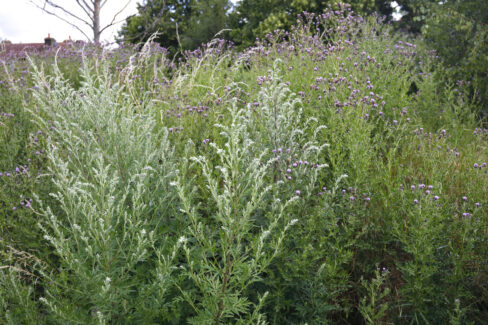
The cool thing about mugwort is that you don’t even need to grow it yourself (though you certainly can!). It grows wild all over the place. You’ll most likely spot it along roadsides or in rocky, neglected patches of soil. Just a heads-up: try to pick plants that are away from heavy traffic or dusty areas. The cleaner the plant is to start with, the better, since washing it too vigorously can strip away those precious aromatic oils.
- Main harvest season is May through early July.
- Look for stems with flower buds that are still tightly closed.
- Make sure the plants look clean and healthy.
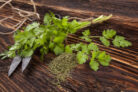
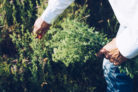
- Snip off the top 8 to 12 inches of the stems.
Quick Note:
If you’re new to foraging, mugwort can look a lot like its cousin, Wormwood. The easiest way to tell them apart is to flip a leaf over; mugwort has a distinct silvery-white, fuzzy underside. Don’t sweat it too much if you mix them up, though—wormwood is also a healthy, bitter herb used in cooking and teas.
Harvesting Roots and Seeds
If you’re looking to get the most out of the plant, don’t stop at the leaves! Late fall is the perfect time to harvest the roots and seeds. Both have been used for centuries in traditional herbalism. If you’re curious about their specific benefits, any good wild herb guide will have plenty of fascinating details for you.
Drying Your Harvest for Later
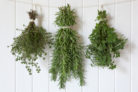
Mugwort is a superstar when it comes to helping your body digest rich, fatty foods. Since you usually only need a few leaves at a time, it might feel silly to go out just for a tiny sprig. That’s why I recommend doing one big harvest and drying it. Mugwort holds its flavor exceptionally well when dried! Just bundle a few stems together and hang them upside down in a dry, shady spot to dry out.