If you’re looking to add a little tropical flair to your backyard, let me introduce you to Pineapple Sage (*Salvia elegans*). Originally from Central America, this exotic beauty is a total double threat: its vibrant red flowers make it a stunning ornamental plant, but it’s also a delicious herb that’ll level up your summer cooking.
What does Pineapple Sage taste like?
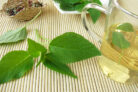
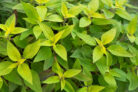
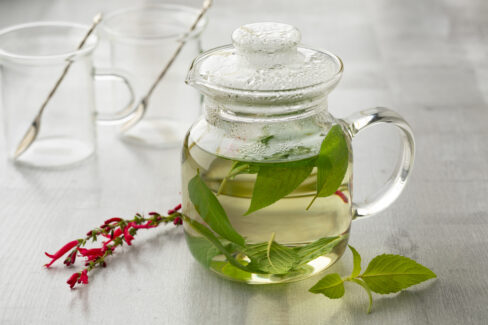
This sage definitely lives up to its name! It actually has a light, fruity pineapple flavor. Even just brushing against the fuzzy leaves releases a delicate scent that smells exactly like a fresh pineapple. That fruity-fresh vibe pairs perfectly with mint or lemon balm—try mixing them for a homegrown herbal tea. Pro tip: it’s just as good iced as it is hot!
How do I cook with Pineapple Sage?
Since it’s got that sweet, fruity profile, Pineapple Sage is a dream for finishing off desserts or fruit salads. But don’t stop there—it also adds a surprising tropical twist to fresh green salads. If you’re feeling fancy, use it to whip up a batch of homemade iced tea or lemonade for your next BBQ.
How can I preserve Pineapple Sage?
If you want to keep that summer flavor going, you’ve got options. You can easily freeze the leaves, infuse them in oil, or dry them. Just a heads-up: drying tends to dull the aroma a little bit, so keep that in mind when you’re seasoning your dishes later on.
Growing Pineapple Sage in your garden
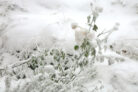
While Pineapple Sage isn’t winter hardy in most climates, it’s a total showstopper in the garden during the summer months. You can even snip the stems to brighten up flower bouquets and enjoy that fruity fragrance indoors.
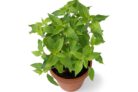
In the garden, it loves a warm spot with partial shade—direct midday sun can be a bit too intense for it. Keep the soil lightly moist, but never soggy or bone-dry. It’s happiest in sandy, well-draining soil that’s rich in organic matter.
Quick Highlights:
- Smells and tastes just like pineapple
- You can use both the leaves and the flowers
- Perfect for sweets, fruit salads, and desserts (the flowers make a great garnish!)
- Adds an interesting contrast to savory dishes like soups and sauces
- Great for teas and lemonades
- The bright red blooms are totally edible
Quick Tip: Pineapple Sage is a perennial! If you overwinter it properly indoors, you can keep harvesting those fresh leaves well into the fall.